Delaware Judge Greenlights Corporate Voting in Local Elections
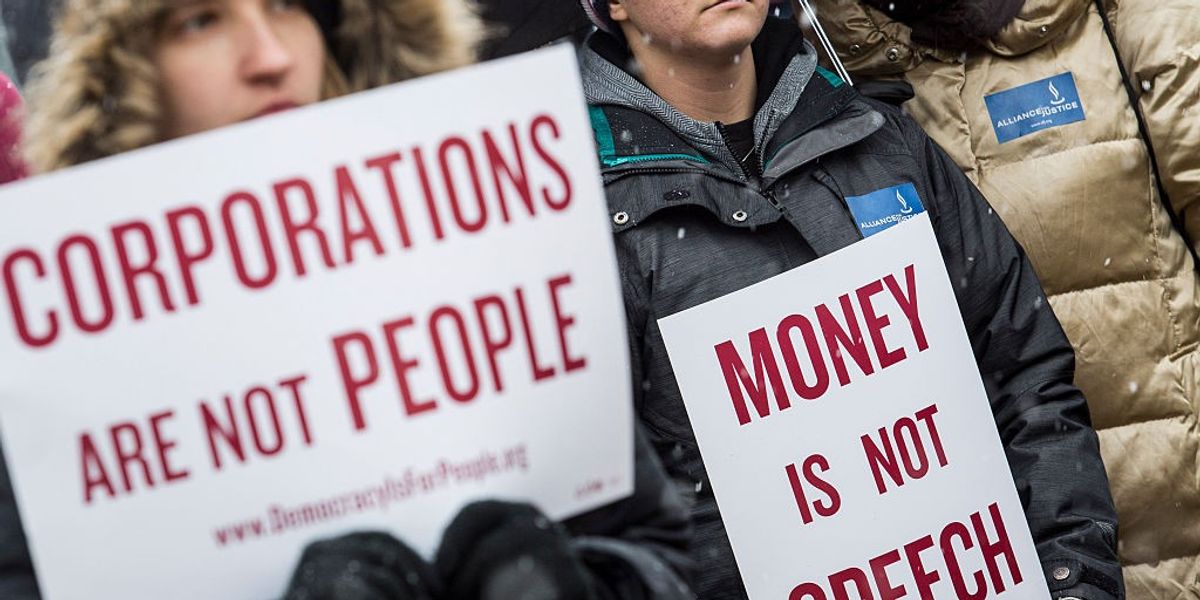
A Delaware judge has effectively overturned the 20th-century notion of corporate personhood by allowing corporations to vote in local elections, sparking concerns about the influence of big business in local politics.
The ruling, made by Delaware Superior Court Judge Craig Karsnitz, is the culmination of years of lobbying by the town of Fenwick Island, which argued that corporate taxpaying entities should be allowed to participate in local democracy.
The Impact of Citizens United
The decision has echoes of the Supreme Court’s 2010 Citizens United ruling, which opened the floodgates for corporate spending in federal elections. Critics argue that this ruling will amplify the voice of big business in local politics, potentially disenfranchising individuals and small business owners who don’t have the means to contribute to corporate-friendly campaigns.
Delaware, with its staggering number of registered business entities (over a million), has long been a hub for corporate law. This ruling may set a precedent for other states, further blurring the lines between corporate personhood and individual rights.
What This Means
The implications of this ruling are far-reaching, potentially paving the way for corporations to exert more control over local decision-making. This could lead to policies that prioritize business interests over those of everyday citizens, exacerbating income inequality and reducing the voice of marginalized communities. As the influence of big business grows, it’s likely that local politics will become increasingly beholden to corporate interests, with devastating consequences for individuals and small businesses.