Anthropic Cofounder Issues Dire Warning: AI Job Losses Could Spark “Moral Imperative Of Historic Proportions”
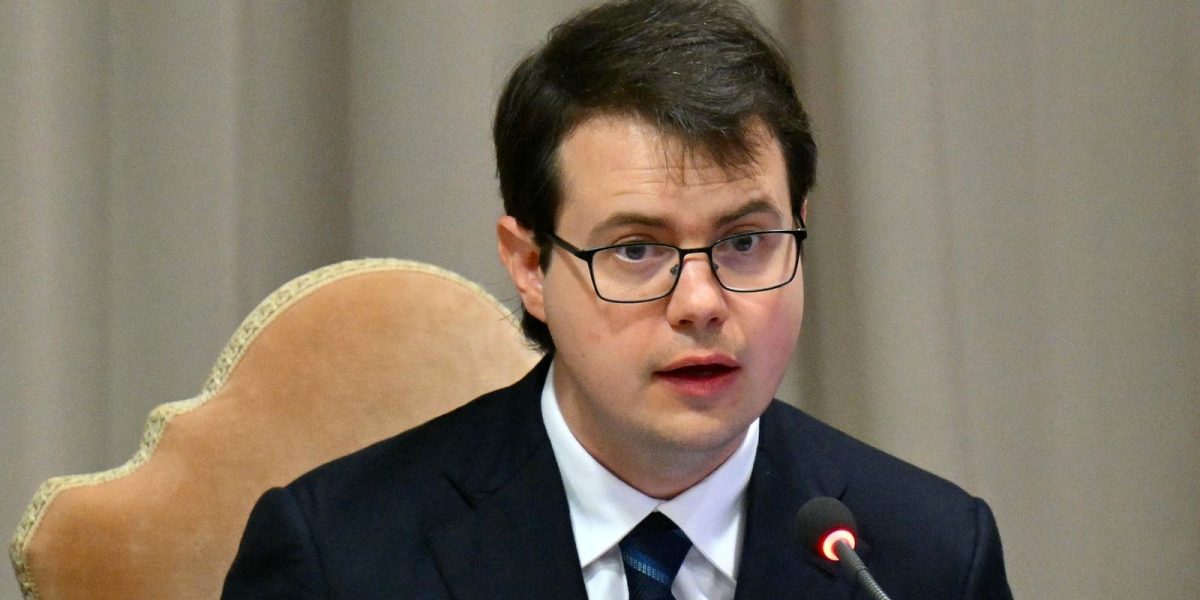
Chris Olah, billionaire cofounder of AI safety-focused organization Anthropic, has joined forces with Pope Leo to sound the alarm on a looming crisis. Speaking at the Vatican on Monday, Olah declared that AI’s potential to displace workers on a massive scale poses an unprecedented moral challenge.
AI’s Dark Side: A “Real Possibility” of Job Losses on a Massive Scale
Olah’s comments come as AI adoption continues to accelerate across industries. While AI proponents tout its potential to boost productivity and economic growth, critics warn that unchecked AI development could lead to devastating job losses. The billionaire cofounder is one of AI’s most influential voices, having spent years researching and advocating for more responsible AI development.
Olah warned the Vatican audience that mass job losses could spark a “moral imperative of historic proportions.” He acknowledged that his own industry has struggled with self-regulation, stating that AI developers cannot be trusted to govern themselves in this critical area.
Supporting Displaced Workers Will Be Key
Olah emphasized the need for a comprehensive support system for workers displaced by AI automation. He urged policymakers to prioritize retraining and upskilling programs, as well as basic income guarantees and other social safety nets. “We’re facing a challenge that requires a global response,” he said, “one that prioritizes human well-being and social justice.”
Anthropic, cofounded by Olah and Dario Amodei, has gained prominence for its efforts to develop more transparent and explainable AI models. However, even its most sophisticated systems are not immune to the broader issues of AI job displacement.
A “Moral Imperative” for Humanity
Olah’s warning to the Vatican underscores the urgency of addressing AI’s social impact. As AI becomes increasingly pervasive, policymakers, industry leaders, and the public will need to work together to mitigate its negative consequences.
For Olah, the stakes are clear: “We have a choice to make about the world we want to create. Will we prioritize economic growth at any cost, or will we prioritize human well-being and social justice?” What this means for readers: expect calls for greater accountability and regulation in the AI industry, as well as increased investment in social safety nets to support workers displaced by AI automation.