Researchers Uncover Unseen Damage to Facial Nerves from Obesity
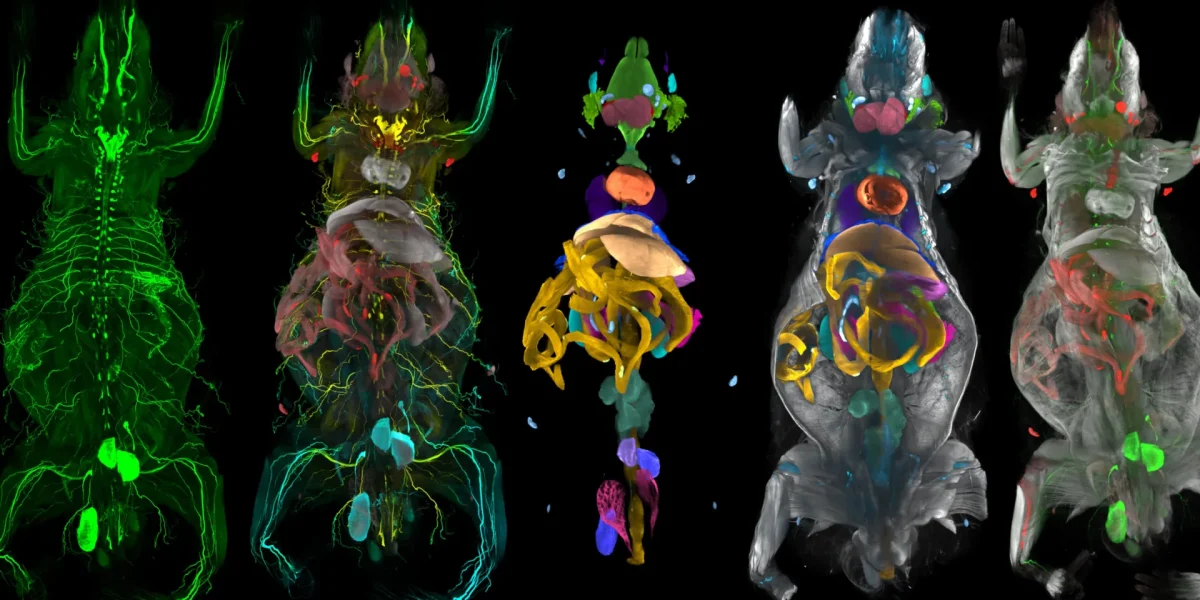
A new AI-powered system has revealed a hidden effect of obesity: damage to facial sensory nerves. This finding, discovered through the system’s ability to create highly detailed maps of mouse bodies, suggests that obesity’s impact on physical health may be more widespread than previously thought.
AI-Powered Body Mapping Breakthrough
Scientists at Helmholtz Munich, Ludwig Maximilians University Munich (LMU), and their partners have developed an artificial intelligence (AI) system capable of scanning and mapping an entire mouse body with unprecedented precision. By using this system, researchers were able to uncover a surprising correlation between obesity and damage to facial sensory nerves.
These nerves, responsible for detecting sensations like touch and temperature, are often overlooked in studies on obesity. However, the AI-powered maps revealed a significant reduction in the number and complexity of these nerves in obese mice. This suggests that obesity may have a more profound impact on physical health than previously understood.
The Human Connection
While the research focused on mice, the findings have significant implications for human health. Facial sensory nerves play a crucial role in our overall quality of life, influencing everything from our sense of taste to our emotional well-being. If obesity is indeed damaging these nerves in humans, it could lead to a range of issues, from chronic pain to decreased sensitivity to temperature and touch.
What this means: As obesity rates continue to rise, it’s essential to consider the full range of its effects on our physical and emotional health. This research highlights the need for a more comprehensive approach to understanding and addressing obesity, one that accounts for its potential impact on our entire body – not just our metabolism.
Future Research Directions
The AI-powered system used in this study could have far-reaching implications for disease research. By providing unprecedented detail and accuracy, it may help scientists uncover new correlations between obesity and other health issues. As researchers continue to refine this technology, we can expect to see a deeper understanding of obesity’s effects on the human body – and potentially, new avenues for treatment and prevention.