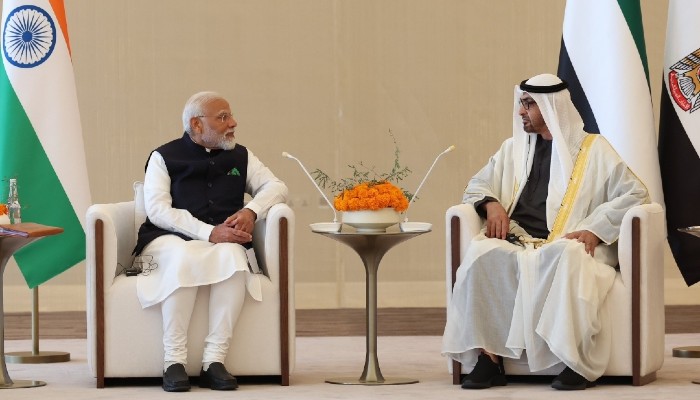
Indian Prime Minister Narendra Modi just landed in the United Arab Emirates, but this visit is about more than just a state visit – it’s a strategic shift in India’s relationship with the Gulf monarchies.
A New Equation
For many years, relations between India and the Gulf monarchies were largely reduced to an equation of oil and manpower. Indian workers helped build Dubai, while the Gulf fuelled India’s industrial rise. This dynamic benefited both parties, but it was also a one-way relationship – the Gulf provided India with the resources it needed, and India provided the Gulf with cheap labor and a growing market.
But with India’s economic growth and military power on the rise, the equation is changing. The UAE and other Gulf states see India as a potential partner in a rapidly shifting regional landscape. They need India’s help to counter the growing influence of China, and to ensure their own stability and security.
A Strategic Partnership
Modi’s visit to the UAE is the latest sign of this shift. He’s meeting with the country’s leaders to discuss cooperation on trade, defense, and security. This includes agreements on arms sales, joint military exercises, and counter-terrorism cooperation.
For India, the benefits are clear. By partnering with the Gulf monarchies, New Delhi can strengthen its position in the region, secure access to new markets and resources, and reduce its dependence on Chinese trade and investment.
What this means for regular Indians is a stronger economy, more opportunities for trade and investment, and a more stable regional environment. It also means more Indians working abroad, but this time as entrepreneurs, managers, and executives, rather than just as laborers.