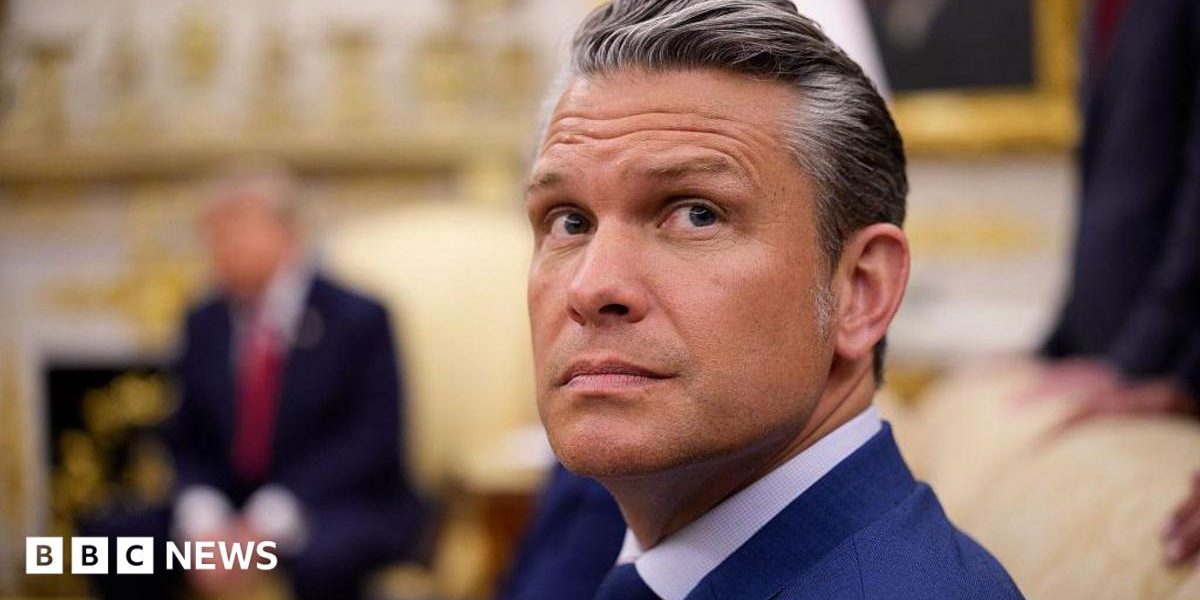
US Defense Secretary Pete Hegseth is rolling out a new initiative aimed at boosting the combat effectiveness of service members through hormone level testing, specifically testosterone.
The Testosterone Test
The US military will soon start testing the testosterone levels of service members, a move Defense Secretary Pete Hegseth claims is part of a broader effort to “restoring and optimizing” their capabilities. Testosterone is often associated with muscle growth and strength, so it’s natural to wonder what prompted Hegseth’s decision to focus on this hormone.
Hegseth’s comments on the initiative suggest that the goal is to ensure that US service members have access to the best possible medical care. The Defense Secretary believes that by optimizing their physiological and psychological health, US warriors can perform better in combat and overall achieve a higher level of success in their military endeavors. The specifics of how testosterone levels will be used to achieve this goal, though, are unclear at this time.
The Science Behind the Test
The relationship between testosterone and physical and mental performance is widely accepted in the scientific community. Higher levels of testosterone have been associated with improved muscle strength, endurance, and speed – all of which are crucial for military operations. However, there are also potential risks to consider, such as the impact of hormone manipulation on long-term health.
The US military has long been interested in the role of biology in military performance. Previous initiatives have focused on nutrition, exercise, and sleep, but Hegseth’s testosterone testing initiative marks a new step in this area. It’s worth noting that the US military is not the only institution to explore the connection between hormones and performance – professional sports teams have also been known to use hormone testing to optimize athlete performance.
What This Means
The implications of the US military’s testosterone testing initiative are still unclear, but one potential takeaway is that service members may face increased pressure to meet certain standards of physical performance, potentially raising concerns about body image and mental health. It’s also possible that this initiative could pave the way for further exploration of the connection between biology and military performance, with potential benefits for US service members and other military forces around the world.