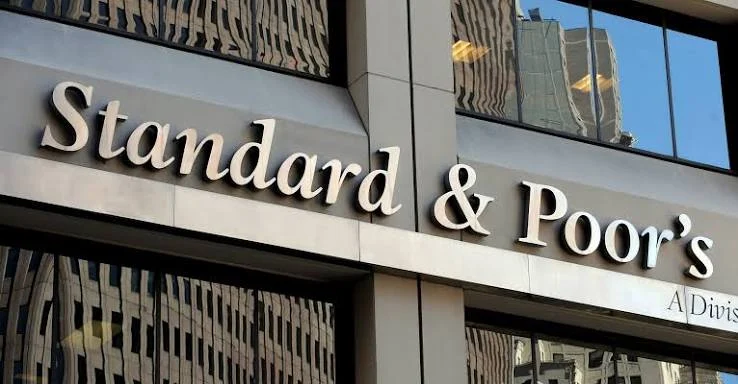
Nigeria’s credit rating upgrade from B- to B by S&P marks one of the most significant endorsements of the country’s economic reforms in over a decade.
The upgrade, announced by Standard & Poor’s (S&P) last week, reflects Nigeria’s efforts to strengthen its economy and improve its fiscal management. However, experts warn that the road to achieving an ‘A’ rating remains long and challenging.
The stable outlook on Nigeria’s credit rating suggests that the country’s economy is expected to continue growing, albeit at a moderate pace. This is a nod to the government’s efforts to diversify the economy and reduce its dependence on oil exports.
What this means for investors is that they can now feel more confident in lending to Nigeria, as the country’s creditworthiness has improved. This could lead to lower borrowing costs for Nigeria, which in turn can help the country to implement its development plans.
However, the upgrade comes with some caveats. According to S&P, Nigeria’s debt-to-GDP ratio remains high, and the country’s fiscal discipline is still a concern. The agency also highlighted the risks associated with the country’s over-reliance on a few key sectors, such as oil and gas.
According to S&P’s report, ‘Nigeria’s fiscal position has shown signs of improvement, but it remains vulnerable to oil price volatility.
The upgrade is also seen as a significant milestone for President Bola Tinubu’s administration, which has made economic reform a top priority. The administration has implemented various policies aimed at improving the business environment, increasing transparency, and strengthening fiscal discipline.
However, the road to achieving an ‘A’ rating is long and challenging, and Nigeria will need to continue implementing reforms to strengthen its economy.
In the short term, the upgrade is likely to have a positive impact on investor confidence, with the country’s risk-free rates expected to decline. However, the long-term prospects for Nigeria’s economy remain uncertain, and the country will need to continue to navigate the complex challenges that come with economic development.