US Lawmakers Push for Stricter AI Export Controls to Counter China’s Advancements
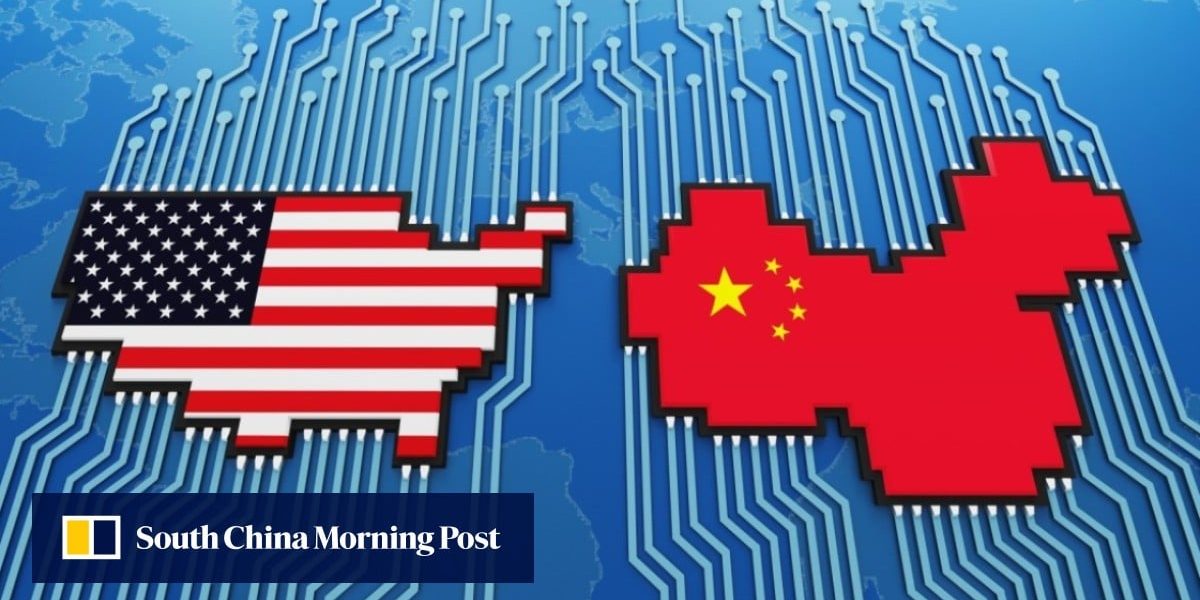
The US government is stepping up its efforts to counter China’s rapid advancements in artificial intelligence (AI), with lawmakers introducing new export control bills that aim to limit the transfer of sensitive AI technologies to Beijing.
Tarun Chhabra, head of national security policy at Anthropic, a leading AI research organization, estimated that the US currently enjoys a six-to-nine-month lead over China in AI development. However, this advantage is under threat, and the US government is racing to strengthen its AI posture to maintain its edge.
Chhabra’s remarks came during a discussion at the Aspen Security Forum, where he acknowledged that the US has a significant lead in AI development. However, with China investing heavily in AI research and development, the window for the US to maintain its lead is rapidly closing.
Strengthening Export Controls
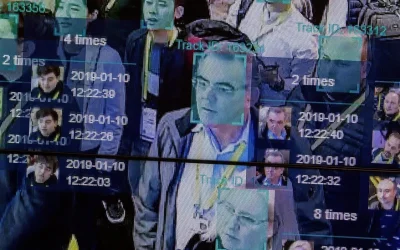
To counter China’s growing influence in AI, lawmakers are pushing for the introduction of new export control bills that would restrict the transfer of sensitive AI technologies to Beijing. These proposed bills aim to prevent Chinese companies from acquiring cutting-edge AI technologies that could be used for military or surveillance purposes.
The Trump administration has also been exploring ways to deepen cooperation with leading AI research organizations, such as Anthropic, to develop and deploy AI technologies that would give the US a strategic advantage.
A Threat to Global Security</hassistant
What this means
The US government’s move to strengthen its AI posture towards China highlights the growing concern over the potential misuse of AI technologies in the global arena. If successful, these export control bills and increased cooperation with leading AI research organizations could help the US maintain its lead in AI development and prevent China from acquiring sensitive technologies that could pose a threat to global security.
However, this development also raises questions about the potential consequences of restricting the transfer of AI technologies to China. Could this lead to a new era of technological protectionism, where countries become increasingly isolated from the global AI ecosystem? As the world becomes increasingly dependent on AI technologies, it’s crucial to find a balance between ensuring the security of these technologies and promoting global cooperation in AI research and development.