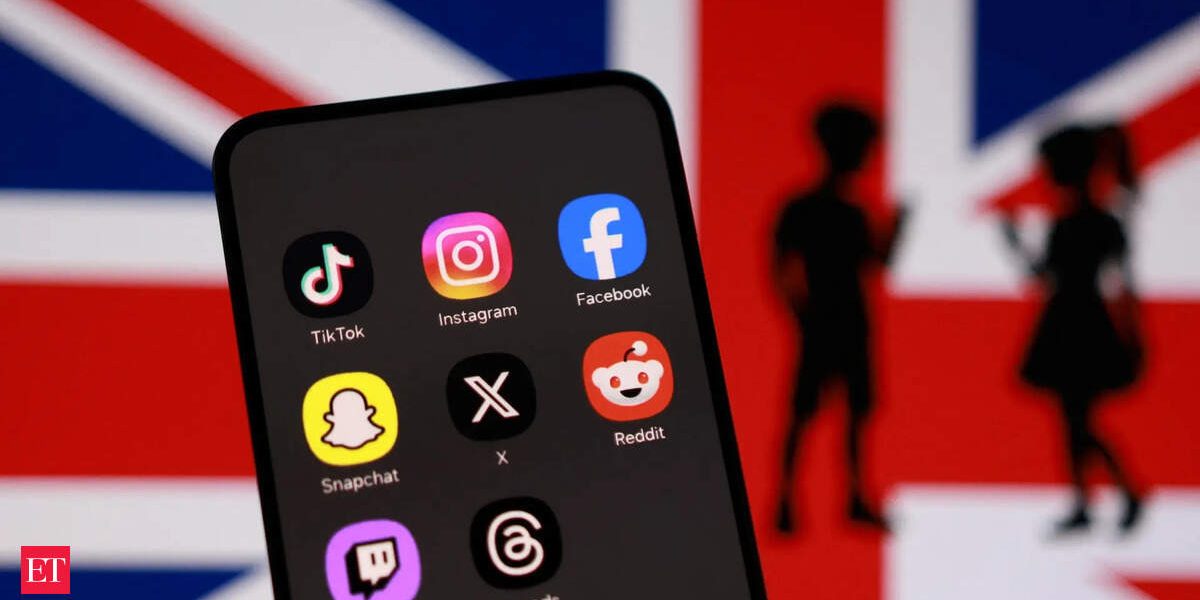
UK Prime Minister Keir Starmer has made a bold move to protect teenage mental health, announcing an overnight social media curfew for 16- and 17-year-olds.
Protecting Teenagers from Addiction
The UK government’s decision comes after a growing body of research highlighted the risks of social media addiction, particularly among young people. Experts say that excessive social media use can lead to sleep deprivation, increased stress levels, and decreased attention span. By implementing an overnight curfew, the government aims to give teenagers more time to engage in offline activities and prioritize their physical and mental well-being.
How the Curfew Will Work
The overnight social media curfew will be enforced through a combination of technical and legislative measures. From 21:00 to 07:00, social media companies will be required to disable addictive features such as infinite scrolling, push notifications, and algorithm-driven content feeds. This is expected to make it more difficult for teenagers to mindlessly scroll through their feeds and engage in online activities that can interfere with their sleep.
Additionally, the government will introduce new laws to hold social media companies accountable for the impact of their platforms on teenage mental health. Companies that fail to comply with the new regulations will face fines and other penalties.
What this Means for Teenagers and Parents
The UK’s overnight social media curfew is a significant step towards protecting teenage mental health and promoting a healthier online culture. As the first country to implement such a measure, the UK is setting an important precedent for other governments and social media companies to follow. For teenagers, this means having more control over their online activities and more time to focus on their education, relationships, and other offline pursuits. For parents, it means having more tools to monitor and regulate their children’s social media use and promote a healthier balance between online and offline activities.
The UK government’s decision sends a clear message that social media companies have a responsibility to prioritize the well-being of their users, particularly young people. As the world grapples with the challenges of social media addiction, the UK is taking a bold step towards creating a healthier online environment.