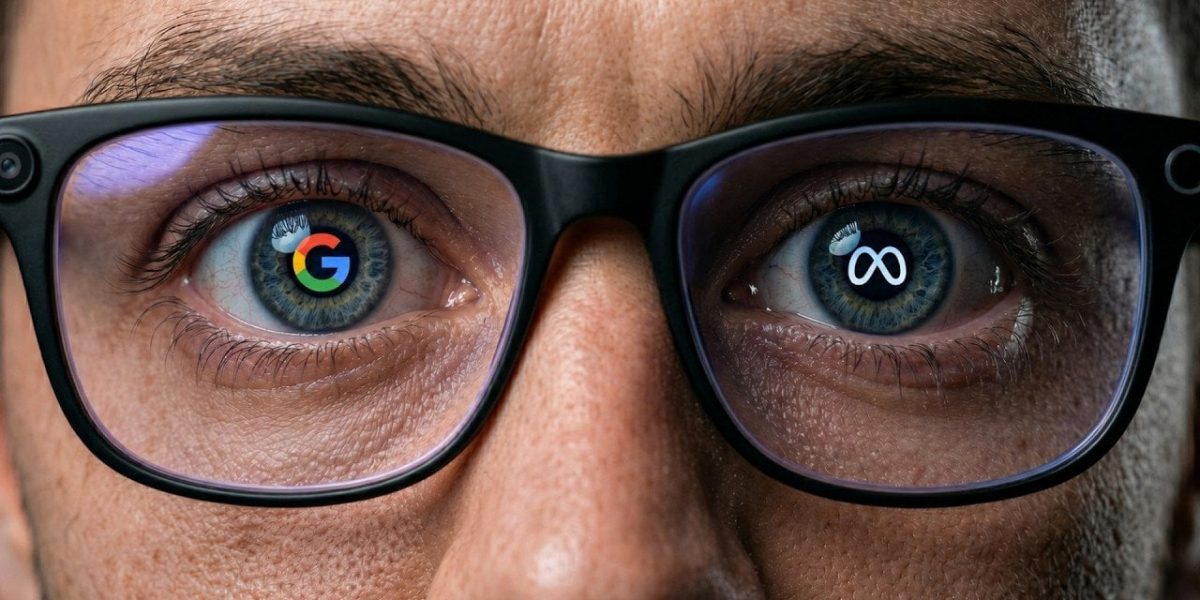
**Google’s Second Shot at Smart Glasses Hits Bumps**
Google’s 2026 model of smart glasses promises to revolutionize the way we interact with information, but experts say the tech giant is facing a massive uphill battle to regain traction in a market dominated by its rival, Meta.
Meta’s latest iteration, released just last year, has been praised for its sleek design and seamless integration with popular social media platforms. Meanwhile, Google’s new glasses aim to improve upon the original design with enhanced augmented reality capabilities, better battery life, and a more affordable price point.
So what went wrong with Google’s first attempt at smart glasses? The 2013 debut of Google Glass was met with skepticism and controversy. Critics argued that the device’s high price, limited functionality, and potential privacy concerns made it a luxury item for tech enthusiasts rather than a wearable must-have. By the time the product’s popularity had waned, many had written off the concept of smart glasses altogether.
Despite these setbacks, Google’s 2026 model is a significant upgrade, with several key features that could win over a new generation of users. For one, the new glasses will boast a more advanced augmented reality platform, allowing users to view virtual information layers over their real-world surroundings. Additionally, the updated design promises improved wearability, with a lighter frame and more stylish aesthetic.
But the real test will be whether Google can overcome the challenges that have hindered the smart glasses market for years. To succeed, the company will need to address lingering privacy concerns and convince consumers that its device is more than just a fashion statement. With a competitive pricing strategy and improved functionality, Google’s 2026 smart glasses have a chance to break through the noise and establish a foothold in the market.
**What this means**: Google’s 2026 smart glasses offer a fresh start for a technology that failed to take off in its first iteration. To succeed, the tech giant will need to balance innovative features with user concerns and build trust with consumers.