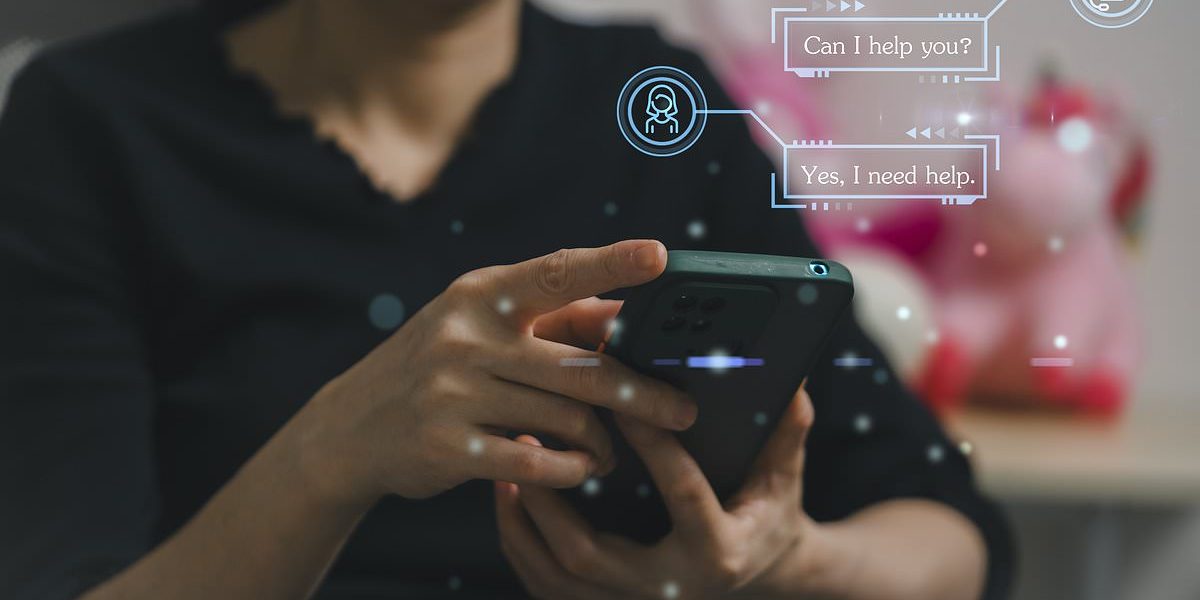
Over 1 billion downloads and counting, ChatGPT has quickly become a ubiquitous presence in our lives, making it increasingly easy to outsource mental tasks and offload cognitive load onto AI systems.
Offloading mental work, weakening brainpower
The concern among experts is that this trend, known as “cognitive offloading,” could lead to a decline in mental acuity and potentially increase the risk of dementia. Dr. Catherine Loveday, a neuroscientist at the University of Westminster, explains that when we rely too heavily on AI for mental tasks, our brains may not receive the exercise they need to stay healthy.
“Our brains are wired to learn and adapt through practice and repetition,” Dr. Loveday says. “By relying on AI for tasks like memory recall, we may be depriving our brains of the opportunity to strengthen existing neural connections and build new ones.”
The role of repetition in brain health
Research has shown that repetition is essential for the consolidation of memories and the strengthening of neural connections. When we repeat tasks and recall information without relying on AI, we are exercising our brains and promoting cognitive health.
On the other hand, excessive reliance on AI for mental tasks may lead to a decrease in repetition and, consequently, a decline in brain health. Dr. Loveday notes that this is particularly concerning for older adults who may already be at risk for cognitive decline.
What this means
The experts’ warnings shouldn’t necessarily mean you need to abandon ChatGPT entirely. Instead, it’s a reminder to use these tools in moderation and make sure to engage in regular mental exercise to keep your brain sharp. Dr. Loveday recommends setting aside time each day for activities that challenge your brain, such as puzzles, brain teasers, or even learning a new skill. By striking a balance between AI-assisted tasks and human effort, you can protect your cognitive health and reduce the risk of dementia.
As the AI revolution continues to shape our lives, it’s essential to be mindful of the impact these tools have on our mental well-being. By being aware of the risks and taking steps to mitigate them, we can harness the benefits of AI while maintaining a healthy and robust brain.