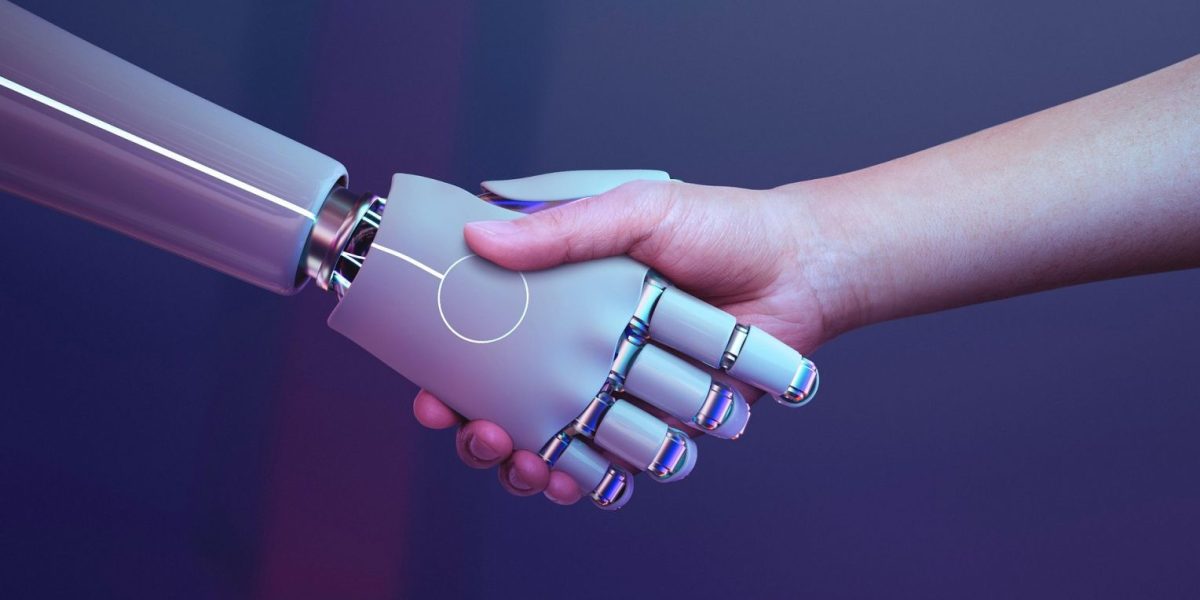
AI’s Double Edged Sword: A Gift and a Curse?
The more we rely on AI, the more it feels like a Swiss Army knife: it can help you navigate the shortest route to your destination, or it can lead you down a digital rabbit hole of endless loops and dead ends. 47% of people report feeling anxious about the increasing use of AI in our daily lives.
A large part of the anxiety stems from the fact that AI can have a profound impact on our psychological well-being. On the one hand, AI-powered chatbots and virtual assistants can provide emotional support and companionship, especially for those who are socially isolated. For example, Replika, a popular AI-powered chatbot, has helped thousands of users cope with mental health issues, such as depression and anxiety.
On the other hand, excessive use of AI can lead to what’s known as “social isolation 2.0,” where people substitute human interactions with digital ones. We’re seeing a rise in “AI addiction,” where people become so reliant on their devices that they start to feel anxious or uneasy when they’re not constantly connected. In fact, a recent study found that 70% of people under the age of 30 experience symptoms of digital addiction.
The Biases of AI
But AI’s impact goes beyond our mental health. Biases embedded in AI systems can have a profound impact on our society, particularly in areas like hiring and law enforcement. A 2019 study found that AI-powered hiring tools can perpetuate biases against minority groups, even when they’re designed to be fair. And in law enforcement, AI-powered facial recognition systems have been shown to be 98% inaccurate when it comes to identifying people of color.
Taming the Beast
So how do we harness the benefits of AI while minimizing its risks? Firstly, it’s essential to acknowledge the biases and flaws that exist within AI systems and work to address them. Developers should prioritize transparency and accountability when it comes to designing and deploying AI systems.
Secondly, we need to establish clear boundaries around AI use, particularly when it comes to issues like mental health and social interaction. This might involve implementing digital detox programs or promoting healthy AI usage habits.
Lastly, we need to have an open and honest conversation about the impact of AI on our lives. By acknowledging both the benefits and the risks, we can work together to create a future where AI is a tool, rather than a force that controls us.
What This Means
Ultimately, AI is a reflection of our own values and biases. By acknowledging its flaws and working to address them, we can create a future where AI enhances our lives, rather than controlling them. The question is, will we rise to the challenge?