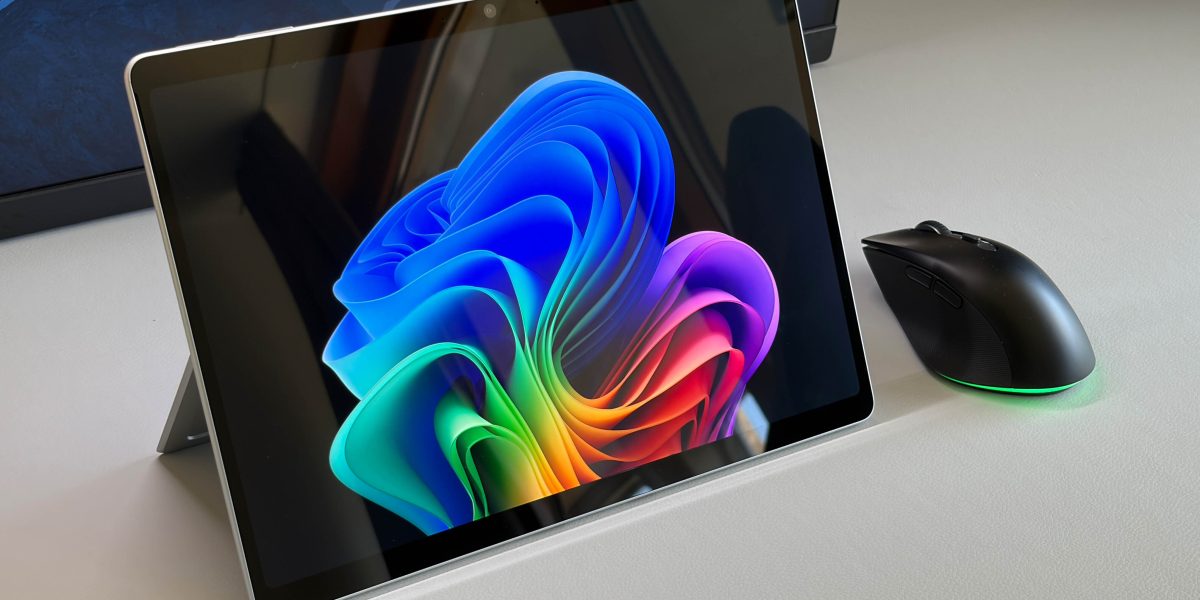
Microsoft’s Surface Pro 2026 still packs a punch as a convertible tablet, but beneath the sleek surface, it seems the company has skimped on the specs. Specifically, the upgrade to the latest Qualcomm Snapdragon X2 processors only brings the slowest version of the X2 Elite to the table – the X2 Elite with a relatively underpowered GPU.
What’s holding back the X2 Elite?
The Qualcomm Snapdragon X2 Elite promises to deliver a major boost in performance, but it appears Microsoft has opted for the base model, which is actually comparable to the already outdated Snapdragon X2 Plus in some areas. This raises questions about why the company couldn’t offer the more powerful variant, especially considering the premium price tag of the Surface Pro 2026.
Business users have options, but at a cost
For individuals looking to upgrade their Surface Pro experience, the slow GPU might not be a major concern – at least not yet. However, for business users, Microsoft offers a choice between Qualcomm’s Snapdragon X2 and Intel’s Panther Lake processors. While this provides more flexibility, it also means business users will need to pay the extra cost for the Intel option if they want more powerful performance. This added expense might be a deterrent for some organizations.
What this means
If you’re considering upgrading to the Surface Pro 2026 for its latest processor, be wary of the potential performance trade-offs. While the tablet still offers a premium experience, the slower GPU might limit your ability to multitask or handle more demanding tasks. For individuals, this might not be a deal-breaker, but for business users, it’s essential to weigh the costs and benefits of choosing the Intel processor option.
In the end, the Surface Pro 2026’s decision to stick with the slower Snapdragon X2 Elite might leave some users feeling underwhelmed, especially considering the device’s otherwise sleek design and robust feature set. As the market continues to evolve, it will be interesting to see how Microsoft addresses these performance concerns in future updates.