Mirrors Take Center Stage in Homes as AI-Powered Designs Emerge
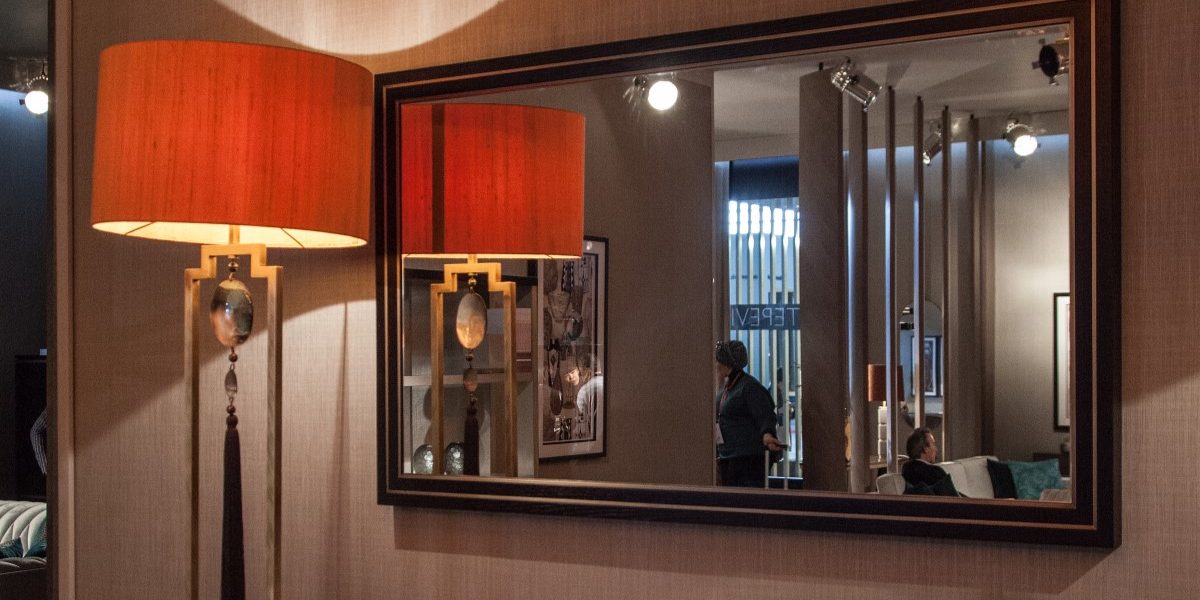
For the first time in history, paintings have been dethroned as the centerpiece above a console, sofa, or sideboard – a traditional spot reserved for some of the most prized possessions in a home. Mirrors, with their sculptural frames, oversized proportions, and shapes that blend seamlessly into furniture composition, have become the new norm.
Mirrors have been a staple in home decor for decades. However, they’ve typically been functional rather than design-driven. That’s changing now, thanks to advancements in AI-powered design tools. These tools use algorithms and machine learning to create unique, custom mirror designs that not only reflect a room’s space but also become an integral part of its aesthetic.
“The shift towards AI-powered mirror design is a direct result of people’s increasing interest in immersive experiences and personalized spaces,” says Sophia Patel, a leading interior designer and AI expert. “Homeowners are looking for ways to create environments that not only reflect their personalities but also adapt to their changing needs.”
The impact of AI-powered mirror design goes beyond aesthetics. It also opens up new possibilities for smart home technology integration. For instance, mirrors can now be equipped with micro-LED displays, temperature sensors, and even air quality monitors. These features can be seamlessly integrated into the mirror’s frame, creating a sleek, high-tech look that’s both functional and stylish.
What this means
As AI-powered mirror design continues to gain traction, homeowners can expect to see more innovative and immersive spaces in the future. This shift also signals a wider trend towards experiential design, where technology and art converge to create unique, one-of-a-kind experiences. Whether you’re a design enthusiast or just looking to upgrade your home decor, the rise of AI-powered mirrors is an exciting development that’s definitely worth keeping an eye on.