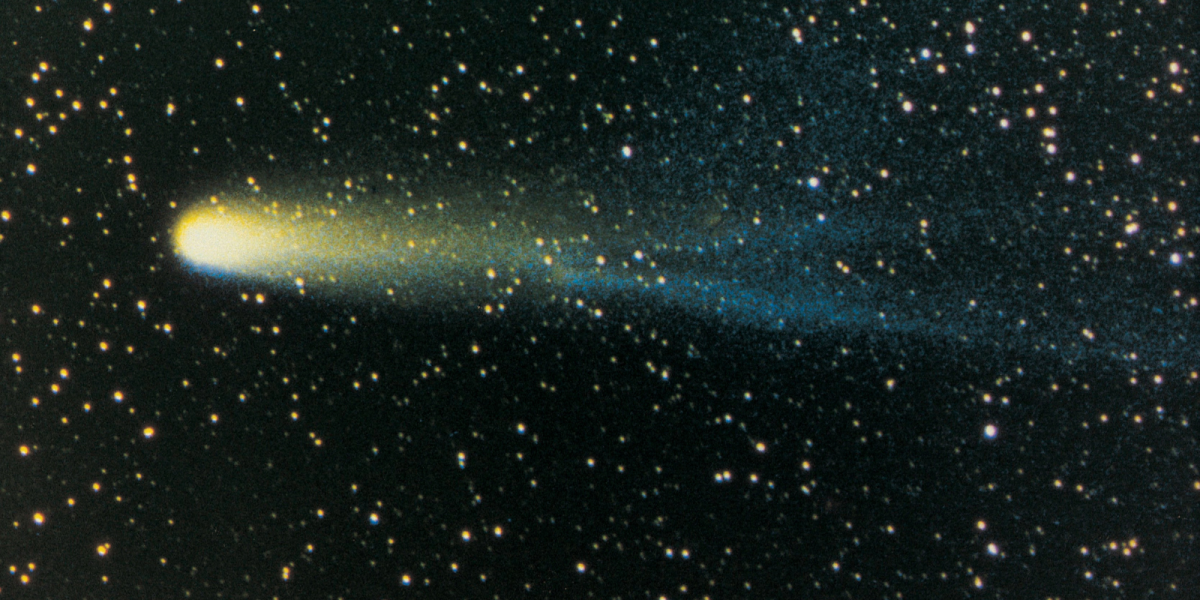
A mysterious object hurtled through the solar system in 2017, leaving scientists scratching their heads and sparking debate about the possibility of alien life.
A Comet Without a Coma?
The object, officially known as 1I/2017 U1, was first spotted by astronomers using the Pan-STARRS survey telescope in Hawaii in October 2017. At the time, its hyperbolic path, which was too fast for the Sun to hold, suggested it was a small, icy body, perhaps a comet.
However, as it left the solar system, 1I/2017 U1 accelerated slightly, without exhibiting the characteristic coma or tail that an active comet would have displayed. This unusual behavior caught the attention of Avi Loeb, a Harvard astronomer who proposed a provocative explanation: the object might be of alien origin.
The Alien Hypothesis
Loeb’s suggestion was met with skepticism by most of the scientific community, who instead attributed the object’s unusual behavior to its unique composition or the effects of the solar wind. Despite the consensus, the idea has lingered in the public imagination, fueled in part by Loeb’s bestselling book on the subject.
What This Means
While we may never know for certain what 1I/2017 U1 was or where it came from, the object’s strange behavior has raised important questions about the nature of our universe. If we’re to take the possibility of extraterrestrial life seriously, we need to be prepared to consider a wide range of explanations, even if they challenge our current understanding of the cosmos.
As scientists continue to study the universe and its many mysteries, the enigma of 1I/2017 U1 serves as a reminder that there’s still much to learn and explore, and that sometimes, the most unexpected discoveries can lead us down the most unexpected paths.