Indonesia’s Creative Economy Aims to Boost GDP with AI-Driven Flagship Programs
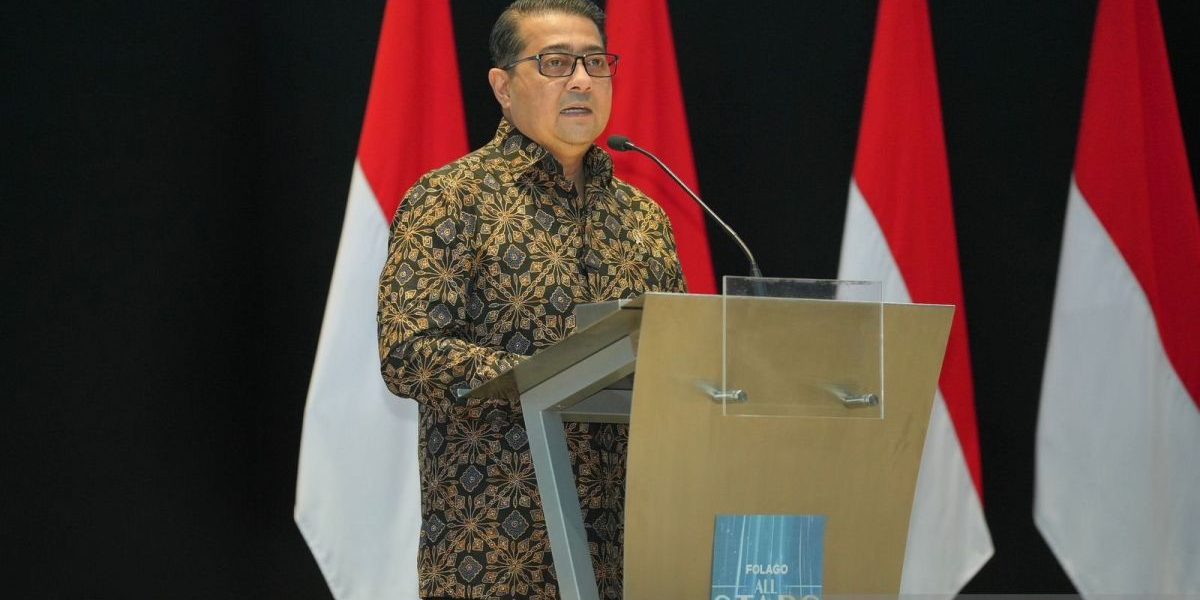
Indonesian Creative Economy Minister Teuku Riefky Harsya has announced a series of flagship programs designed to turbocharge the country’s creative economy and contribute significantly to GDP growth.
The programs, driven by artificial intelligence (AI), aim to unlock the full potential of Indonesia’s creative sector, which has long been hindered by inefficiencies and a lack of infrastructure. By leveraging AI, the government hopes to create new opportunities for artists, designers, musicians, and writers, and to position Indonesia as a major player in the global creative economy.
The flagship programs will focus on digital arts, music, and fashion, with a particular emphasis on e-commerce and online marketplaces. This shift to digital platforms is expected to make it easier for creative entrepreneurs to reach a wider audience and to increase their earning potential.
Collaborations with Local Startups
To drive these initiatives forward, the ministry has partnered with local startups and technology companies to develop innovative solutions and tools that will help to streamline the creative process and make it more accessible to a wider range of people. For example, AI-powered platforms will be used to connect artists with potential buyers and to facilitate sales and marketing efforts.
What this means
For Indonesia’s creative economy, this move towards AI-driven flagship programs could be a major turning point. By leveraging the latest technologies, the government can create new opportunities for artists and designers, and help to drive economic growth. In practical terms, this means more opportunities for creative entrepreneurs to turn their ideas into successful businesses, and for consumers to access a wider range of high-quality creative products and services.
Indonesia’s GDP is expected to receive a significant boost from the creative economy, with the government targeting a contribution of around 11% to the country’s overall GDP by 2025.