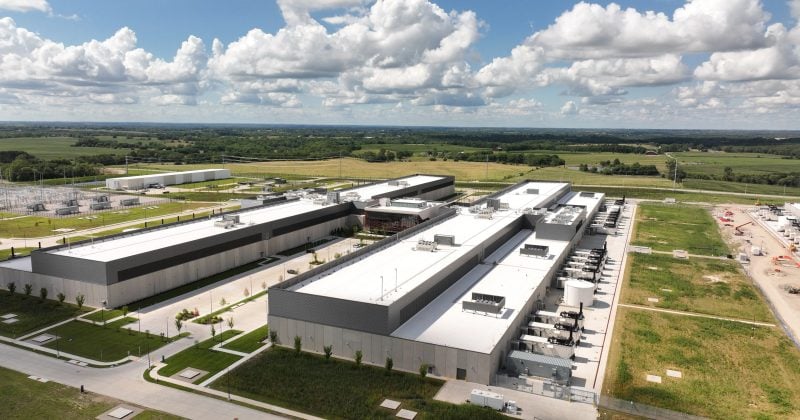
US Spends More on Data Centers Than Airports, Ports, and Transit Combined
The US has surpassed a historic milestone: for the first time, it’s spending more on data center construction than on building airports, ports, and transit systems combined. This surge in data center investment reshapes energy markets, supply chains, and tech infrastructure, impacting sectors from semiconductors to artificial intelligence.
Data Centers: The New Infrastructure Priority
Data center construction spending has skyrocketed in recent years, with a notable increase in the past few years alone. According to the latest figures, the US is now investing over $100 billion annually in data center infrastructure. This figure surpasses the combined spending on airports ($25 billion), ports ($10 billion), and transit systems ($10 billion) – a stark shift in capital allocation.
The driving force behind this trend is the exponential growth of digital data, which has created an unprecedented demand for data storage and processing power. As cloud computing, big data analytics, and AI applications continue to proliferate, data centers have become the linchpin of the modern digital economy.
As a result, the data center industry is no longer a niche market but a multi-billion-dollar sector that’s attracting major investments from tech giants, real estate developers, and private equity firms. The likes of Microsoft, Amazon, and Google are building massive data centers, while startup companies are emerging to provide specialized services and solutions for the data center ecosystem.
Implications and Opportunities
The shift in capital allocation towards data centers has far-reaching implications for various sectors and stakeholders. For instance, the increased demand for semiconductors and other electronic components is driving innovation and investment in the supply chain. The growth of data centers is also transforming energy markets, with companies like Google and Facebook pledging to power 100% of their operations with renewable energy sources.
What this means for the average consumer is a faster, more connected, and increasingly automated world. With data centers serving as the backbone of digital infrastructure, we can expect improved cloud services, more robust AI applications, and seamless integration of the physical and digital worlds.
However, this trend also raises concerns about energy consumption, environmental impact, and security risks associated with data centers. As the industry continues to grow, it’s essential to address these challenges and ensure that the benefits of data center investment are equitably shared among stakeholders and the broader community.