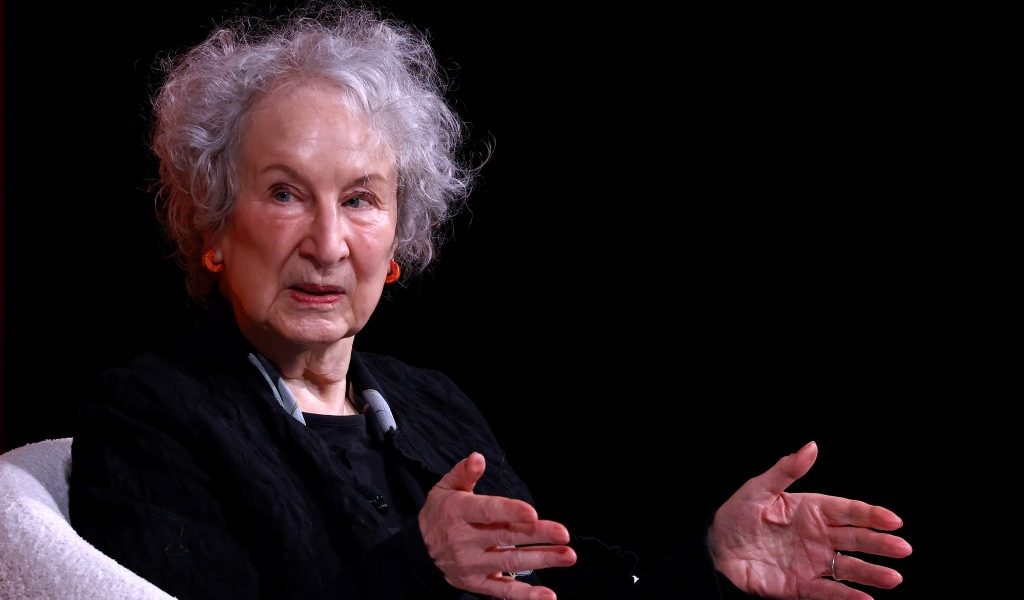
Noted author Margaret Atwood has shared her candid thoughts on AI, drawing from a single, albeit telling, encounter with the technology.
Atwood’s Sardonic Take on AI
The Canadian literary icon spoke at the inaugural Babell Literary and Cultural Festival in Portugal, where she was asked about her experience with AI. Her response was characteristically blunt: “The thing about AI is that it’s garbage in, garbage out.”
Atwood’s statement refers to the basic principle that AI systems produce results based on the data they’re trained on. While this may sound like a straightforward observation, it underscores a crucial limitation of AI: its inability to correct or transcend biases inherent in the data used to train it.
Garbage In, Garbage Out: The Problem of Bias
Atwood’s assessment raises concerns about AI’s potential to perpetuate existing social and cultural biases. If AI systems are trained on biased data, they may reproduce and even amplify these biases in their decision-making and output, leading to unfair outcomes. This has real-world implications, particularly in areas like employment, education, and justice.
The issue of bias is complex, and AI is by no means the sole culprit. However, Atwood’s comment serves as a reminder that AI is only as good as the data it’s trained on – and that data often reflects the biases and flaws of its creators.
What This Means
Atwood’s words are a call to action for developers and users of AI: be mindful of the data you input, and acknowledge the potential consequences of perpetuating biases. This means being proactive about data diversity, quality, and accountability in AI development.
In practical terms, this means being more intentional about the data we use to train AI systems and being prepared to address and correct biases as they emerge. By doing so, we can work towards developing more responsible and equitable AI technologies that benefit society as a whole.
The Babell Literary and Cultural Festival has given us a glimpse into the critical thinking of one of the world’s most celebrated authors, and serves as a reminder that the development of AI should be guided by a deep understanding of its limitations and potential consequences.