Apple and Microsoft have joined the ranks of companies hiking prices on their products due to a global shortfall of AI-driven semiconductors.
AI Chip Crisis Bites
The shortage, driven by the surge in demand for AI chips, is having a ripple effect on the tech industry, with consumers bearing the brunt of the costs. Apple has announced price increases of up to $300, while Microsoft is preparing its third Xbox price hike in under a year.
The semiconductor shortage is not a new phenomenon, but it has taken on a new level of significance with the increasing adoption of AI in consumer electronics. The shortage has led to a structural shift in tech economics, with companies forced to pass on the costs to consumers. This shift is a clear indication that the cost of developing and manufacturing AI chips is far higher than anticipated.
One of the main reasons for the shortage is the limited supply of specialized AI chips, such as those designed by NVIDIA and AMD. These chips are crucial for powering AI applications and are in high demand, particularly in gaming consoles and high-end laptops.
What This Means
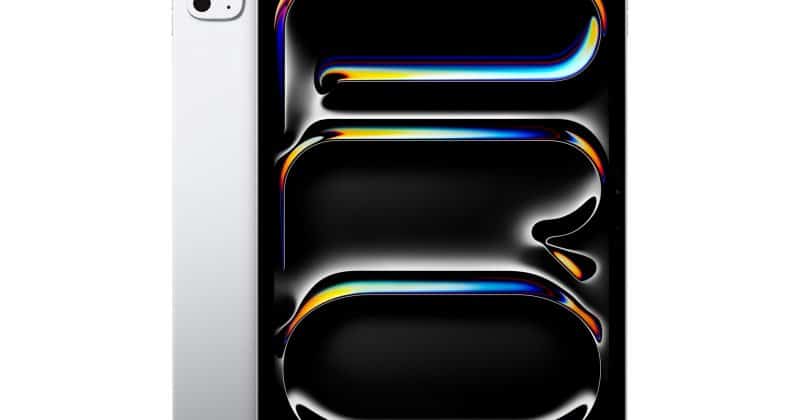
For consumers, this price hike means that they will have to pay more for their favorite products. Apple’s price increase, for example, will result in a $1,099 price tag for the new iPad Pro, up from $799. Similarly, Microsoft’s price hike for the Xbox will make the console more expensive, further limiting its mass appeal.
Investors are also taking notice, with the shortage having a significant impact on investor sentiment. The price of AI chip manufacturers such as NVIDIA and AMD have taken a hit, reflecting the uncertainty and risks involved in the AI chip market.
Will Prices Come Down?
The AI chip crisis is not expected to resolve itself anytime soon, with many experts predicting that the shortage will continue well into next year. Unless AI chip manufacturers can increase their production capacity, consumers can expect to pay more for their tech products in the short term.