Microsoft Scientist’s Age of Empires II Essay Sparks AI Debate
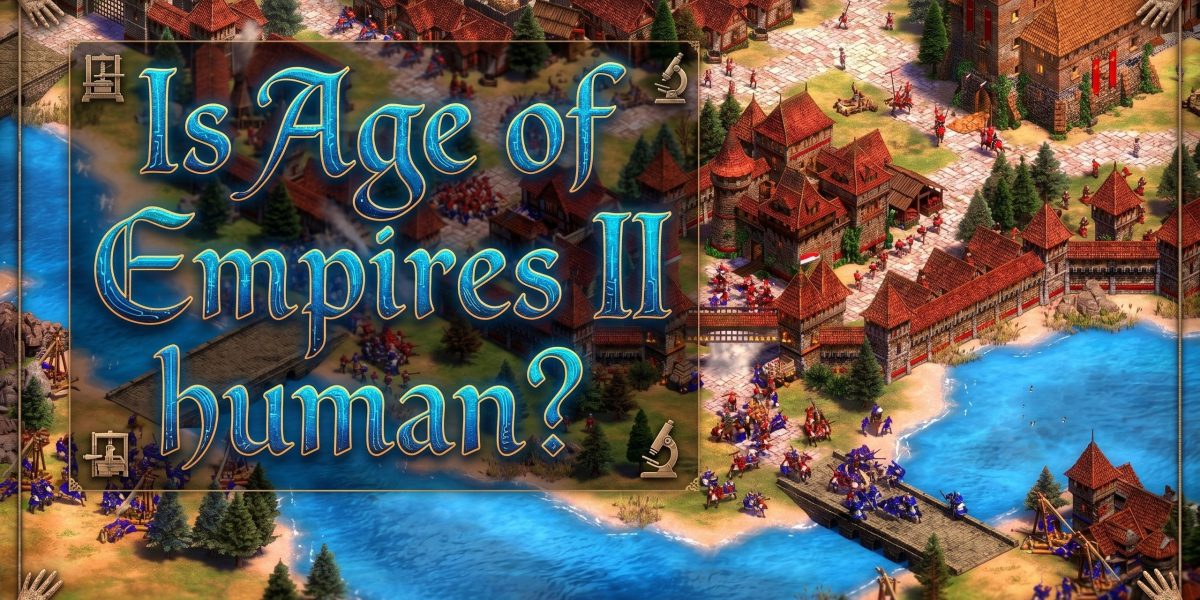
Microsoft Principal Scientist Adrian de Wynter has written an essay that’s sending shockwaves through the AI community, claiming that the popular video game Age of Empires II is, in fact, just as human-like as AI language models. But what’s behind this bold statement, and what does it actually mean for those who use – and build – AI?
The essay, which has been making the rounds online, explores the idea that human attributes such as creativity, intuition, and empathy are not exclusive to humans. De Wynter argues that these qualities can be observed in complex systems like Age of Empires II, where players must make strategic decisions and adapt to changing circumstances. He uses the game as a thought experiment to illustrate how these human-like traits can arise from simple rules and interactions.
The Human-Like AI Conundrum
De Wynter’s essay has sparked a heated debate about the nature of AI and what it means to be human. While some have praised the essay for its creative thinking, others have accused him of stretching the definition of human-like behavior. Critics point out that the game is, after all, a programmed system designed to simulate real-world scenarios, rather than a true artificial intelligence.
What This Means
So, what’s the takeaway from de Wynter’s essay? In practical terms, it highlights the complexity and nuance of AI systems, which can sometimes exhibit human-like behaviors without necessarily being conscious or self-aware. This has implications for areas like game development, where AI-powered NPCs can create more realistic and engaging experiences. But it also raises questions about the ethics of creating AI systems that mimic human behavior, and what responsibilities come with designing and deploying such systems.
As researchers and developers continue to push the boundaries of AI, de Wynter’s essay serves as a reminder that the line between human and machine is increasingly blurred. Whether or not you agree with his conclusions, his essay is a thought-provoking exploration of what it means to be human – and what it means to build AI systems that can think and behave like us.