China Unveils White Paper on Global Governance, Pushes for South-South Cooperation
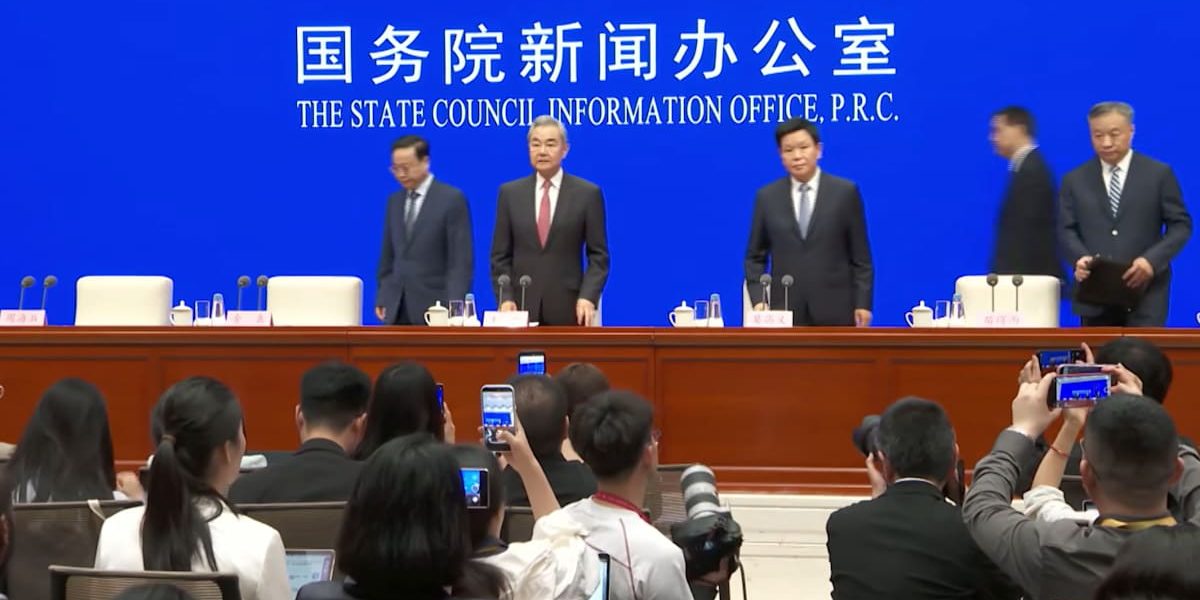
China has released a white paper on global governance, calling for a more representative United Nations Security Council (UNSC) and stronger ties between countries in the Global South.
The move comes as Beijing seeks to assert its influence in a world increasingly divided by Cold War rivalries and a rise in nationalist sentiment. At the heart of China’s argument is the idea that the current international order is no longer meeting the needs of the global community.
According to Wang Yi, China’s top diplomat, the world is witnessing a resurgence of “might makes right” politics. But he attributes this shift not to a failure of the UN Charter, which underpins the global system, but rather to its inadequate implementation. “The law of the jungle is resurfacing, not because the UN Charter is outdated, but exactly because the charter has not been effectively observed and safeguarded,” he said.
Beijing’s Call for Reform
The white paper emphasizes the need for a more inclusive and democratic global governance system, where developing countries have a greater voice in international decision-making. China argues that the current UNSC, with its permanent five members – the US, UK, France, Russia, and China – is no longer representative of the global landscape.
China is pushing for reforms to the UNSC, including an expansion of its membership to include more countries from the Global South. The white paper also calls for the establishment of a new international development bank, to be headquartered in the Global South, and for increased investment in global public goods, such as healthcare and education.
What this means
China’s push for reform is likely to be met with resistance from the existing UNSC members, who have a vested interest in maintaining the status quo. However, the move also underscores a growing sense of frustration among developing countries, who feel marginalized by the current global order.
What this means for the average person is that the global balance of power is about to get a lot more complicated. As tensions rise between the US, China, and other major players, we can expect to see more calls for multilateralism and reform of the international system. The question is: will these calls be answered, or will the law of the jungle prevail?
A New Era of Global Governance?
As the world grapples with the challenges of the 21st century, China’s white paper offers a glimpse into a possible future where global governance is more inclusive, equitable, and representative. Whether this vision becomes a reality remains to be seen, but one thing is certain: the current international order is no longer fit for purpose.