AI Surpasses Human Expertise in Medicine: What Does It Mean?
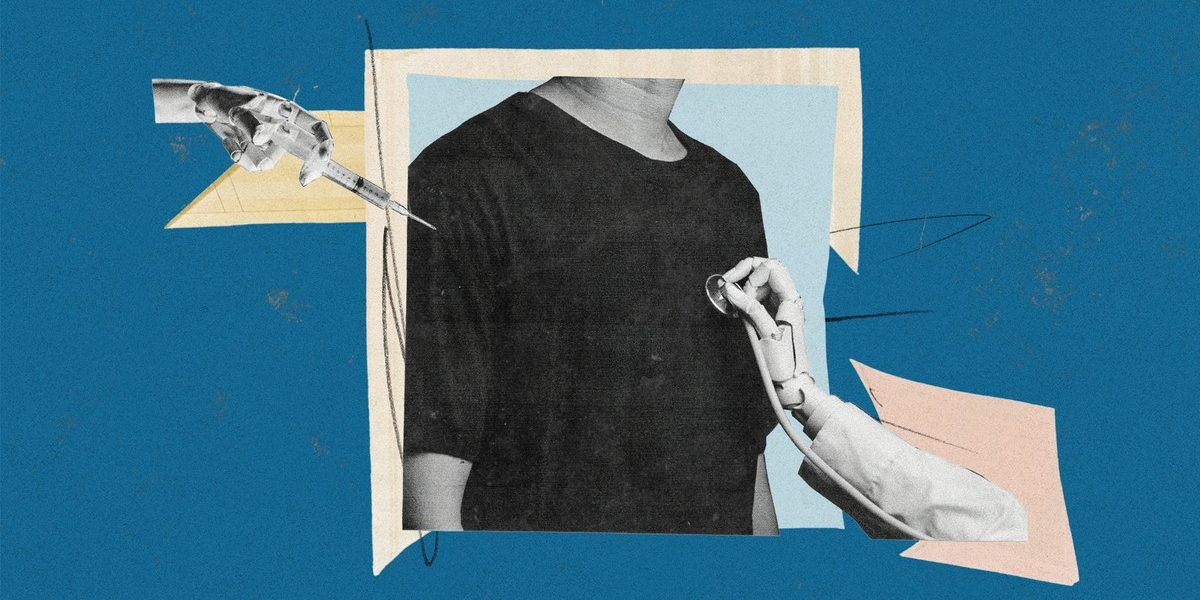
A clinical decision support system designed by researchers from Harvard and Stanford has matched the accuracy of human doctors in diagnosing patients with breast cancer, a significant milestone that raises questions about the future of healthcare.
Breast Cancer Diagnosis: A Turning Point
In April, a study published in the journal Nature Medicine revealed that the AI system, capable of analyzing thousands of medical images and patient records, had successfully matched the diagnostic accuracy of human experts in identifying breast cancer. The system’s performance was particularly impressive when it came to detecting rare subtypes of the disease.
Despite Concerns, AI Adoption Continues
Despite the concerns raised by this accomplishment, doctors are already using AI in their daily practice. Chatbots, in particular, have become ubiquitous in the U.S. healthcare system, helping patients schedule appointments and answer basic medical queries. While these tools may not possess the diagnostic prowess of their more advanced counterparts, they demonstrate the growing reliance of healthcare professionals on AI.
What this means is that doctors will increasingly rely on AI to inform their decisions, freeing them up to focus on more complex and high-stakes cases. However, this shift also raises questions about the role of human doctors in the future of healthcare. As AI assumes more responsibilities, what skills will be necessary for professionals to remain relevant?
AI’s Integration in Medicine: A Double-Edged Sword
While AI can process vast amounts of data and provide objective diagnoses, it also lacks the empathy and emotional intelligence that human doctors bring to the table. This raises concerns about the future of patient care, with some arguing that AI systems may struggle to provide the same level of personalized attention and support.
However, proponents of AI in medicine argue that it can augment human capabilities, allowing doctors to focus on high-value tasks that require creativity and empathy. As the healthcare industry continues to grapple with the implications of AI, one thing is clear: the days of AI surpassing human expertise in medicine are already upon us.