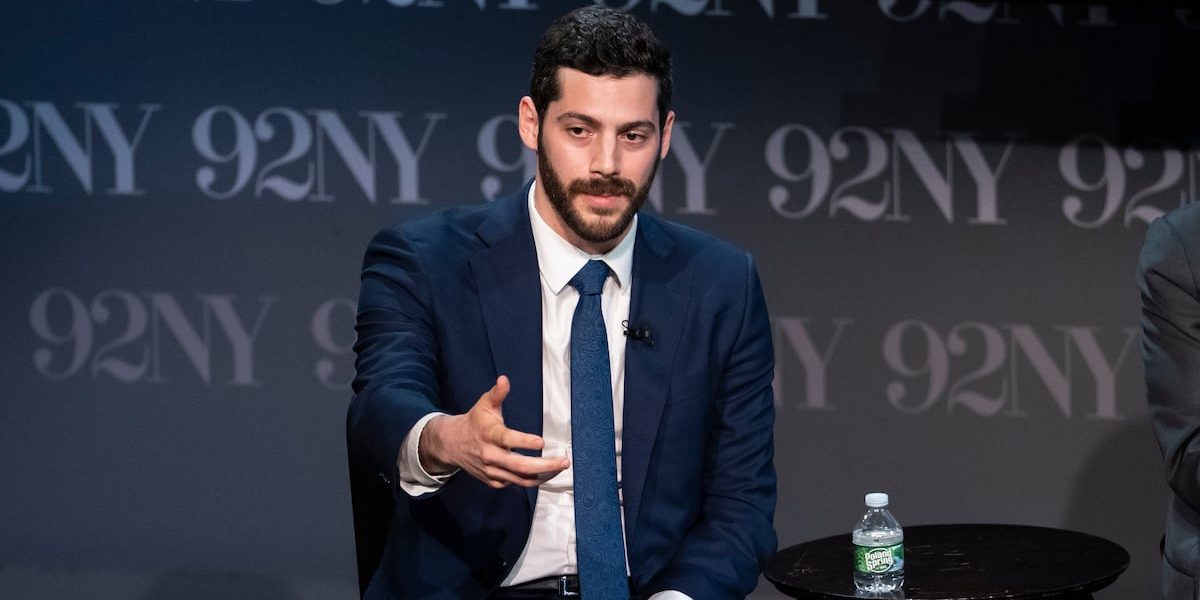
New York Assemblyman Alex Bores is at the center of a heated battle in the state’s Democratic primary, and the tech industry is caught in the crossfire.
Bores, a long-time advocate for AI regulation, has filed to run for Congress, taking on several powerful tech industry figures who’ve long opposed his efforts to rein in AI development. The move has set off a family feud of sorts, with many in the AI industry questioning whether Bores has bitten off more than he can chew.
Bores’ push for AI regulation has made him a favorite among progressive Democrats and those concerned about the tech industry’s unchecked growth. His legislation, which includes provisions for AI transparency and accountability, has faced fierce resistance from Silicon Valley giants and their allies in the state capitol.
Bores’ opponents, a mix of self-funded tech moguls and well-funded special interest groups, are likely to throw their weight behind Bores’ primary challenger, Emily Gallagher. The two Assembly members have taken significantly different stances on AI regulation, with Gallagher voting against Bores’ key bills.
AI Industry’s Dirty Laundry
The AI industry’s involvement in Bores’ primary campaign is a stark reminder of the deep connections between big tech and politics. In a state where tech companies like Google, Amazon, and Microsoft have significant operations, the industry’s influence can be felt in many areas of policy-making.
Regulating AI: A David vs. Goliath Battle
Bores’ crusade against AI regulation is a high-stakes gamble that pits him against some of the most powerful forces in the tech industry. With the tech industry’s lobbying muscle and millions of dollars in campaign contributions at their disposal, Bores’ chances of winning the primary and taking on the tech industry’s deep pockets in Congress are uncertain.
What This Means
For Bores to succeed in his bid for Congress, he’ll need to demonstrate that his commitment to AI regulation can’t be ignored or bought off. This may require him to tap into the growing anti-tech sentiment among voters and find ways to make his message resonate with a broader audience. Ultimately, the outcome of this primary will have significant implications for the national conversation around AI regulation and the role of big tech in politics.