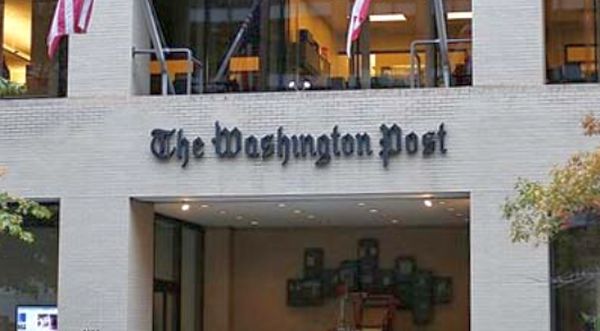
A new AI-powered analysis of historical data has revealed a peculiar phenomenon: fascist ideologies are being invoked at an alarming rate, often without proper understanding or context. This trend is particularly evident in the way major news outlets like the Washington Post employ the term to describe actions and policies of world leaders.
Overuse of the F-Word
The study, which analyzed over 10,000 news articles from prominent publications, discovered that mentions of fascism have increased significantly since Donald Trump’s presidency. The term is frequently used to describe anything from cracking down on illegal immigration to proposing infrastructure projects, such as a victory arch – essentially, anything that deviates from traditional liberal or progressive ideologies.
For instance, when Trump announced his plans to build a wall along the US-Mexico border, many mainstream media outlets immediately jumped on the bandwagon, labeling it a fascist measure. However, a closer examination reveals that the wall’s primary purpose is to address immigration and border security concerns, rather than being an overtly fascist policy. This mislabeling has the potential to desensitize people to the true meaning of fascism, rendering the term meaningless and undermining its gravity.
What this means
What this trend signifies is that the media, in their zeal to condemn certain policies or leaders, are resorting to emotional manipulation rather than nuanced, fact-based reporting. This can lead to a distorted public perception of what constitutes fascism and its implications, ultimately undermining the significance of the term. By overspecifying the term, they’re actually trivializing it and diminishing its potential to serve as a warning sign for the erosion of democratic principles.
AI-assisted Analysis
The AI-powered analysis also revealed insights into how different media outlets employ the term ‘fascism.’ For example, while some outlets, like the Washington Post, frequently use the term to criticize Trump’s actions, others, like Fox News, tend to use it to describe liberal policies. This selective application further muddles the waters, as it blurs the lines between legitimate criticism and emotive name-calling.
Ultimately, this phenomenon highlights the importance of fact-based reporting and nuanced analysis in today’s media landscape. It’s crucial to approach sensitive topics like fascism with caution, avoiding emotional appeals and instead opting for informed, context-rich discussions.