Young Indians Turn the Tables on Corporate Learning
In Indian companies, a reversal of traditional mentorship is underway, as Gen Z employees take on a new role: teaching their older colleagues about AI.
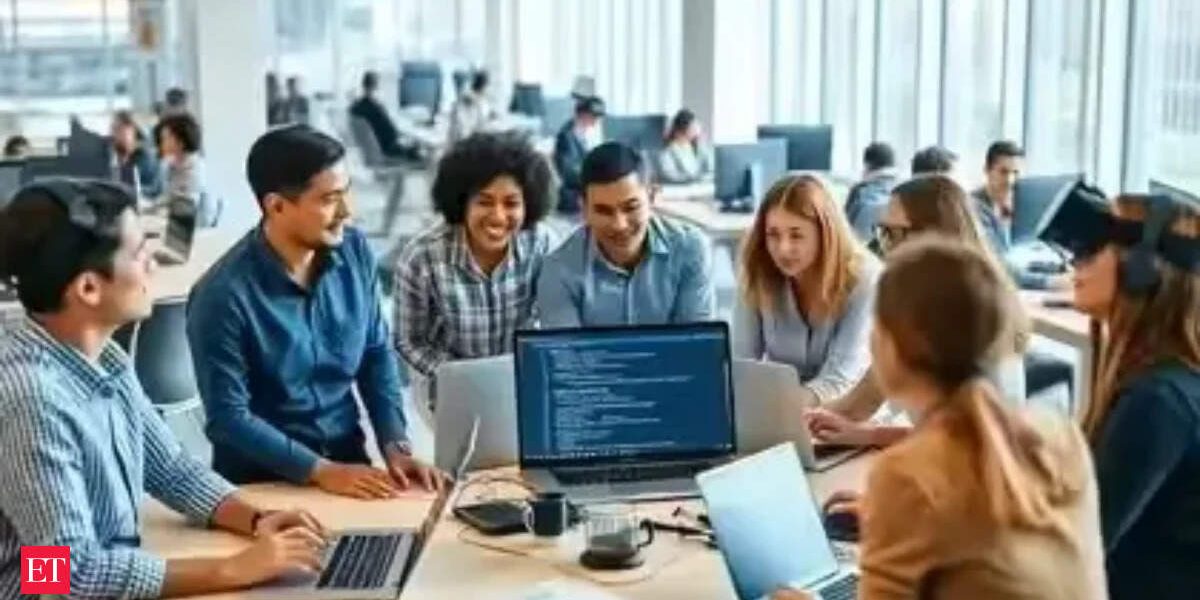
Once, corporate learning was a one-way street, where experienced seniors imparted their wisdom to eager juniors. But as artificial intelligence becomes the norm, a new dynamic is emerging. Younger colleagues are now mentoring their seniors, teaching them how to navigate AI tools like ChatGPT.
The Benefits of Reverse Mentoring
This trend has been gaining traction in Bengaluru, where companies are embracing the power of cross-generational learning. By flipping the script, older employees can learn from their younger colleagues’ tech-savviness, while younger employees gain valuable insights into the company’s history and context.
Namita, a 28-year-old IT professional, has been mentoring her 55-year-old manager, Rajan, on how to write effective AI prompts. “It’s been a game-changer for both of us,” she says. “Rajan brings a wealth of experience, while I can show him how to apply AI to his work.”
A New Era of Collaboration
For companies, this shift in mentorship represents a significant opportunity to adapt to the changing landscape of work. By embracing reverse mentoring, they can bridge the gap between different generations and foster a culture of collaboration and innovation.
What this means
Reverse mentoring may be the key to unlocking the full potential of AI in the workplace. By valuing the contributions of both young and old, companies can create a more agile, adaptable, and innovative workforce. As AI continues to shape the future of work, Indian companies are showing the way forward – and it starts with a willingness to learn from each other.