A New Era of Human-Computer Collaboration?
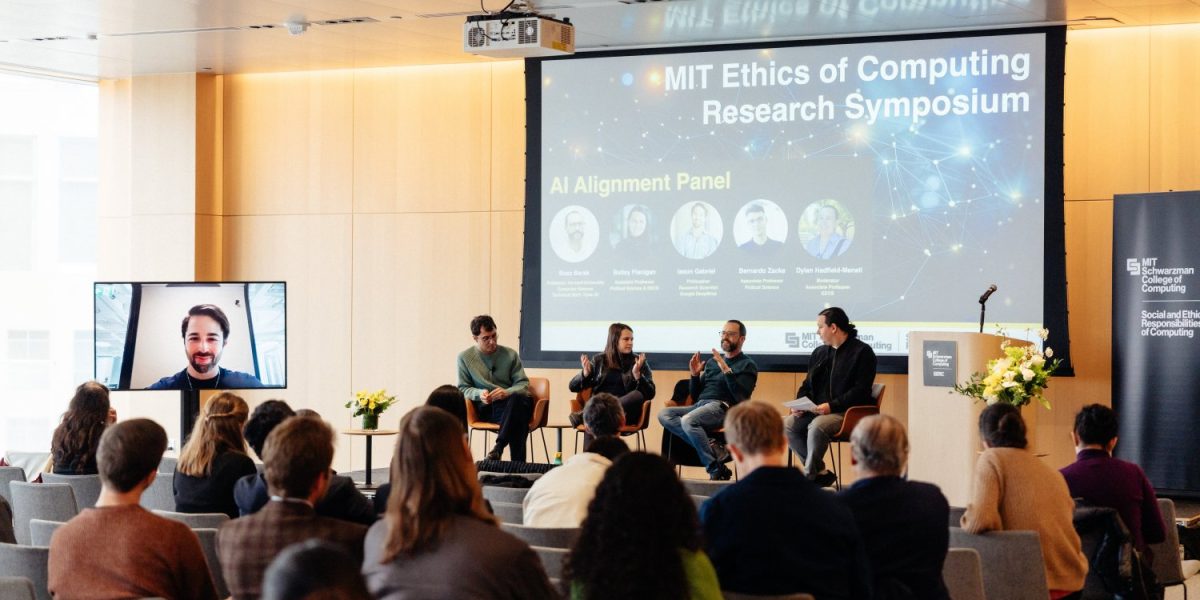
Researchers at the MIT Ethics of Computing Research Symposium are sounding the alarm that human expertise and oversight are essential for building trustworthy AI systems. The symposium highlighted the glaring gaps between AI’s technical prowess and its societal implications, emphasizing the need for a more collaborative approach to computing.
Experts in the field assert that AI systems, despite their remarkable progress, are fundamentally flawed without human judgment and intervention. “AI systems have their strengths and limitations, but they’re not yet equipped to tackle the complex nuances of human society,” says Dr. Safiya Noble, a leading researcher on AI ethics. “What’s missing is a deeper understanding of the human component in computing and AI.”
One key takeaway from the symposium is that AI systems often fail to account for the messy realities of human experience. “Human bias and error are inevitable, and AI systems need to be designed with these factors in mind,” explains Dr. Joanna Bryson, a renowned expert on AI ethics. “We need to incorporate more human expertise and oversight into AI development to ensure that these systems serve the greater good.”
The MIT Schwarzman College of Computing’s Social and Ethical Responsibilities of Computing (SERC) initiative has been at the forefront of this effort, fostering a community of researchers and experts committed to exploring the social and ethical implications of computing. The symposium was a pivotal moment in this conversation, bringing together experts from various fields to address the pressing need for more human-centered AI development.
What this means:
Developers and policymakers need to prioritize human expertise and oversight in AI development to create systems that are truly beneficial to society. This requires a more collaborative approach to computing, one that balances technical innovation with a deeper understanding of human needs and limitations.