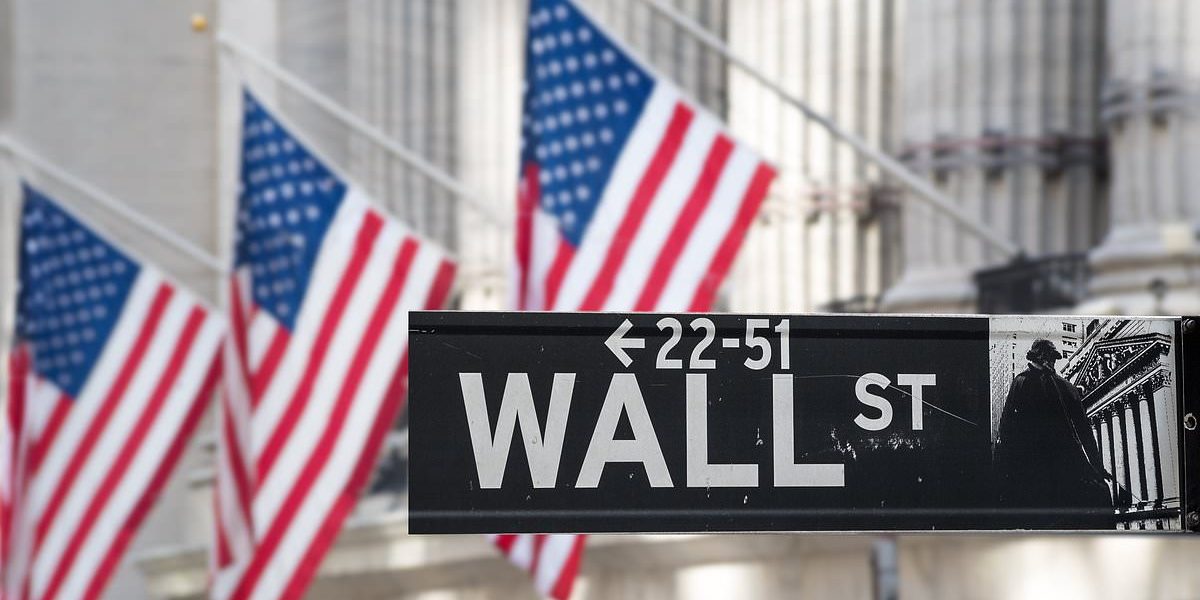
A strong jobs report shouldn’t be causing panic on Wall Street, but on Friday, investor optimism about the US economy’s resilience was quickly flipped on its head.
The US added **+390,000** jobs in May, significantly beating expectations of a moderate **+270,000**. However, this seemingly bullish news set off a stock market free fall, particularly among big technology companies. The S&P 500 plummeted **-3.2%**, while the Dow Jones tumbled **-2.8%** as tech-heavy indices such as the Nasdaq Composite dropped **-4.3%**.
Investors cited a paradoxical reason for the market’s downturn: the expectation of more aggressive interest rate hikes from the Federal Reserve to combat rising inflation. The strong jobs report, which could potentially fuel higher wages and further inflation, raised concerns that the Fed might need to act sooner to prevent the economy from overheating.
“We’re seeing a disconnect between the macroeconomic data and market sentiment,” said David Rosenberg, chief economic strategist at Rosenberg Research. “The jobs report was robust, but the market’s response reflects investors’ concerns about future Fed actions.”
Despite the Fed’s recent commitment to keeping interest rates low, investors are pricing in a higher chance of rate hikes in the near term. This is likely due to the market’s increasing sensitivity to inflation data, as well as its fear of the Fed’s potential response.
What this means: Investors are now more cautious about tech stocks and are betting on the possibility of more frequent interest rate hikes. If you’re invested in the stock market, it’s essential to keep an eye on inflation and Fed announcements to understand how market sentiment is shifting.
A Delicate Balance
The Fed’s challenge is to balance the need to keep inflation in check without stifling economic growth. With interest rates already at relatively low levels, any additional hikes could have a ripple effect on the stock market and the economy as a whole.
Stabilizing the Market
To stabilize the market, investors will be closely watching key economic indicators, such as inflation data and consumer spending, to gauge the Fed’s next move. In the meantime, market volatility is likely to persist as investors navigate this delicate balance.