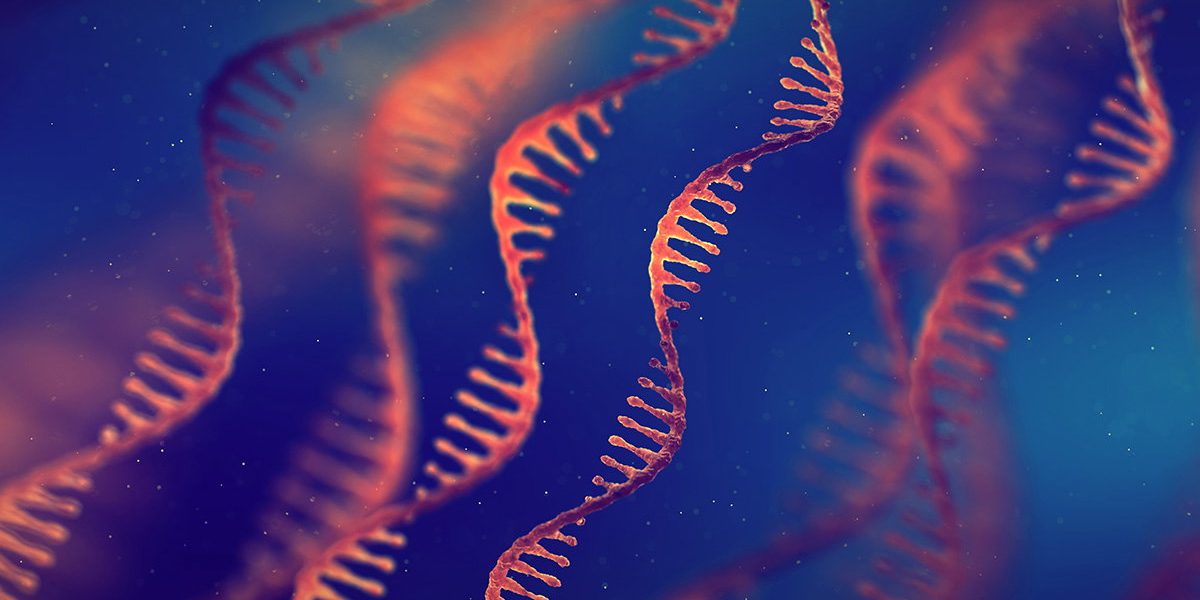
For decades, scientists have known that only about 2% of the human genome actually encodes proteins – the building blocks of life. The remaining 98% was dismissed as “junk DNA.” However, recent research reveals that even this noncoding DNA isn’t as useless as previously thought, thanks to the discovery of noncoding RNA (ncRNA).
The Hidden Universe of ncRNA
Noncoding RNA is a type of RNA molecule that doesn’t code for proteins, but instead regulates gene expression, influences the behavior of other RNA molecules, and even interacts with proteins. Despite its importance, ncRNA is still poorly understood, and its functions are far from fully characterized. Scientists have identified over 20 different classes of ncRNA, including microRNAs, long noncoding RNAs (lncRNAs), and snoRNAs.
MicroRNAs, for example, are small RNA molecules that regulate gene expression by binding to messenger RNA (mRNA) and preventing its translation into protein. They play a crucial role in cellular differentiation, proliferation, and death. Long noncoding RNAs, on the other hand, are thousands of nucleotides long and can act as molecular sponges, regulating the activity of other RNAs and proteins. snoRNAs, or small nucleolar RNAs, are involved in the modification of other RNA molecules and are essential for proper ribosome function.
The Implications of ncRNA for Our Understanding of Life
The discovery of ncRNA has significant implications for our understanding of life and disease. By studying ncRNA, scientists hope to better comprehend the complex mechanisms that regulate gene expression and influence cellular behavior. For instance, research has shown that ncRNA plays a critical role in the development and progression of cancer. Altered ncRNA expression patterns have been linked to cancer initiation, metastasis, and treatment resistance.
Understanding ncRNA function is also crucial for developing new therapeutic approaches. Since many diseases are associated with aberrant ncRNA expression or function, researchers are exploring the possibility of using ncRNA-based therapies to treat a range of conditions, from cancer to neurodegenerative disorders.
What this means
The discovery of noncoding RNA challenges our long-held assumption about the importance of protein-coding genes. It highlights the complexity and depth of cellular regulation and underscores the need for further research into the functions and roles of ncRNA. As scientists continue to unravel the mysteries of ncRNA, we can expect to see a deeper understanding of the intricate mechanisms that govern life and disease.