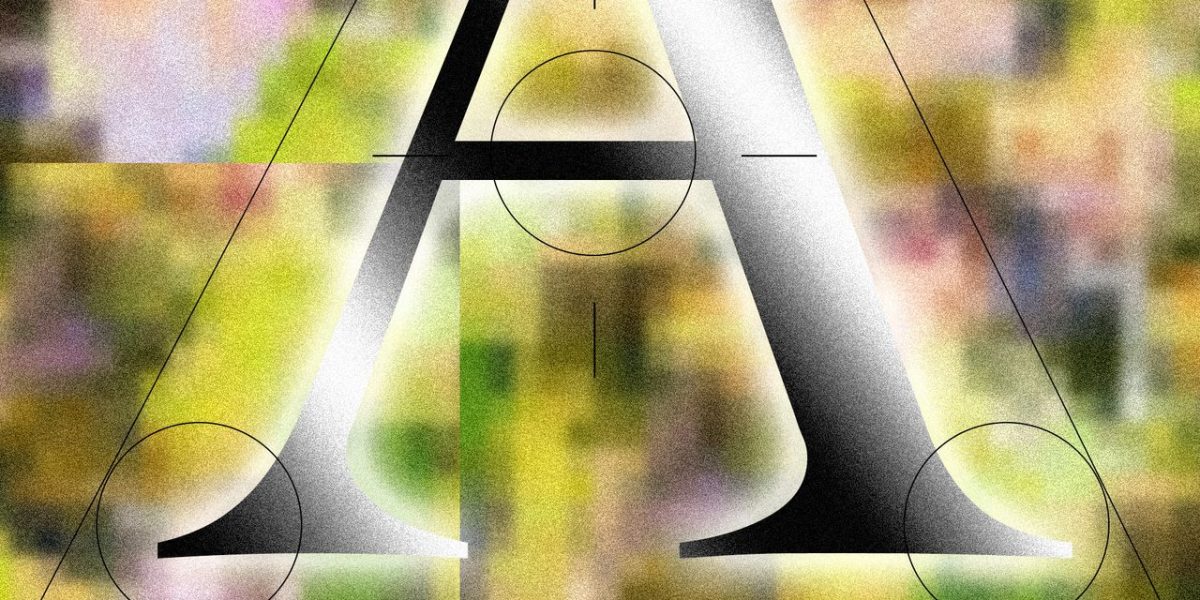
Serif Fonts Take a Hit: AI’s Quest for Humanity is Falling Flat
AI companies are attempting to inject a touch of humanity into their creations by incorporating serif fonts, but critics are pushing back, calling the move “tasteslop.”
The backlash against seemingly omnipresent AI has led to a desire to eliminate telltale signs of its use, and serif fonts are at the forefront of this battle. While some argue that serif fonts add a human touch to digital interfaces, others see it as an attempt to manipulate public perception.
Google, in particular, has been criticized for its use of serif fonts in various products. The company’s AI-driven design initiatives have been accused of prioritizing aesthetics over user experience. Critics argue that the use of serif fonts is a ploy to make AI-generated content seem more relatable and authentic.
For instance, Google’s AI-powered chatbots have been observed using serif fonts to communicate with users. While this may seem like a subtle detail, it’s been enough to raise eyebrows among design enthusiasts and AI watchers.
The tension between form and function is at the heart of this debate. Proponents of serif fonts argue that they evoke a sense of professionalism and sophistication, traits often associated with human communication. Detractors, on the other hand, see it as a desperate attempt to make AI seem less robotic.
What this means
For users, this shift in font preferences could lead to a more nuanced discussion around AI’s role in digital design. As AI becomes increasingly pervasive, it’s essential to consider the impact of its presence on user experience. The “tasteslop” debate highlights the need for a more human-centered approach to AI development.
Designers, in particular, will need to navigate this complex landscape and find a balance between aesthetics and functionality. The debate around serif fonts serves as a reminder that AI is not a panacea for design challenges, but rather a tool that requires thoughtful consideration and application.