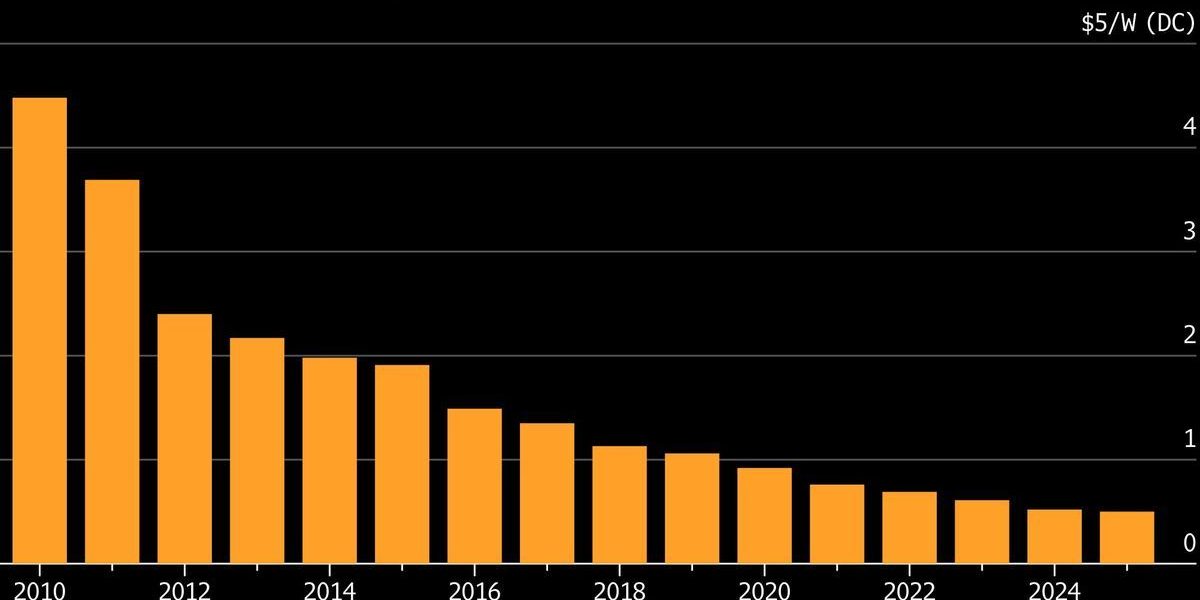
China’s solar industry is finally confronting a reality it’s long tried to ignore: it’s drowning in its own excess capacity. For years, companies like Jiangsu Suntech Power Co., the country’s largest solar panel maker, have struggled to make a profit due to the surplus of solar panels flooding the market.
The problem has roots in China’s ambitious renewable energy goals. To meet targets, the government invested heavily in solar farms and incentivized companies to produce more panels. However, this created a perfect storm of oversupply, resulting in plummeting prices and razor-thin margins for manufacturers.
Expanding into New Areas
Instead of trying to compete with cheaper imports from Taiwan and Malaysia, Chinese solar companies are shifting their focus to higher-margin areas like energy storage and smart grids. These emerging markets offer opportunities for growth, as they require more complex and expensive technologies.
Take, for instance, BYD Co.‘s foray into battery production. As one of China’s leading electric vehicle manufacturers, BYD is now expanding its battery business to cater to the growing demand for energy storage solutions. This strategic pivot is expected to drive revenue growth and improve profit margins.
Government Intervention?
Some analysts argue that the government’s policy shift towards more energy storage and smart grid projects will help alleviate the overcapacity issue. The new initiatives, they say, will create new demand and provide a lifeline for struggling solar firms.
However, others warn that the government’s efforts may be too little, too late. With 1.5 GW of new solar capacity added every month, the oversupply issue is unlikely to be resolved soon. Without significant changes in policy, the industry remains poised to continue its downward spiral.
What this means
For consumers, the implications of China’s solar industry pivot are straightforward: better, more efficient energy storage solutions and improved grid management. While it may take time for the industry to adjust, this shift towards higher-margin areas signals a positive development for the sector’s long-term prospects.