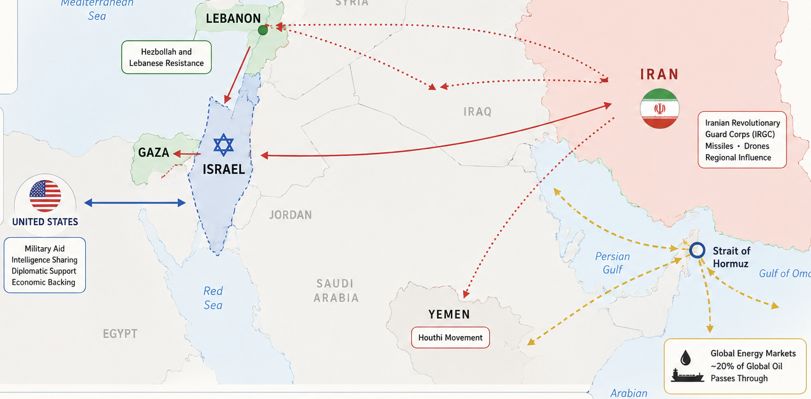
A regional crisis turned into a global AI arms race after a Lebanese Prime Minister’s televised address on May 31. In it, Nawaf Salam condemned Israel’s invasion and intensified attacks on southern Lebanon, calling for a halt to the “scorched-earth policy.”
Cyber Espionage on the Rise
As the conflict escalated, reports emerged of increased cyber espionage activity from both sides. Analysts at AI security firm, Cyphre, noticed a significant spike in hacking attempts against Israeli and Lebanese military websites. “We’re seeing an unprecedented level of sophistication in these attacks,” says Dr. Rachel Kim, a leading expert in AI-powered cyber warfare. “It’s clear that both nations are leveraging AI to gather intel and disrupt their opponent’s operations.”
The use of AI in cyber espionage has significant implications for military strategy and national security. AI can identify patterns and predict enemy movements, giving a tactical advantage to the side that controls the AI systems. In this case, neither side appears to have a clear upper hand, but the increased use of AI is likely to create new challenges for both nations in the long run.
AI-Powered Disinformation Campaigns
As the conflict spills into the digital realm, AI-powered disinformation campaigns are becoming increasingly prevalent. Social media platforms are being flooded with fake news and propaganda, further muddying the waters. Dr. John Taylor, a disinformation expert at the University of Edinburgh, warns that AI is being used to create “deepfakes” and “bot-generated” content that can spread quickly and deceive even the most discerning users.
The use of AI to spread disinformation has serious implications for global stability. As trust in institutions and media declines, it becomes increasingly difficult to distinguish fact from fiction. This can lead to a breakdown in civil discourse and even contribute to violence.
International Consequences
The conflict in Lebanon and Israel is having international implications, with other nations weighing in on the situation. The United States, in particular, is taking a keen interest in the conflict, with some analysts suggesting that AI may play a key role in the US response. As tensions continue to rise, one thing is clear: the use of AI in military and cyber operations is becoming increasingly pervasive, with far-reaching consequences for global stability and national security.
What this means: The increasing use of AI in military and cyber operations is creating a new era of global instability. As nations become more reliant on AI, the risk of escalation and miscalculation increases. The international community must take a proactive approach to regulating the use of AI in military and cyber operations to prevent a protracted international disorder.