For the first time in decades, the number of U.S. tech industry job losses due to AI has outpaced those in other sectors, with as many as 16,000 jobs cut per month.
White-Collar Woes
Reports from major tech companies, including Microsoft, Amazon, and Google, have revealed that AI is behind significant layoffs in the tech industry. While AI has long been touted as a tool to augment and automate routine tasks, leaving workers to focus on higher-value tasks, it seems the technology is now having the opposite effect.
The irony is that AI is not only cutting jobs but also exacerbating existing inequalities within the tech industry. Historically, many tech jobs have been in higher-paying, white-collar roles. Now, these positions are becoming increasingly vulnerable to automation, leaving workers with limited options and facing uncertain futures.
Blue-Collar Boost
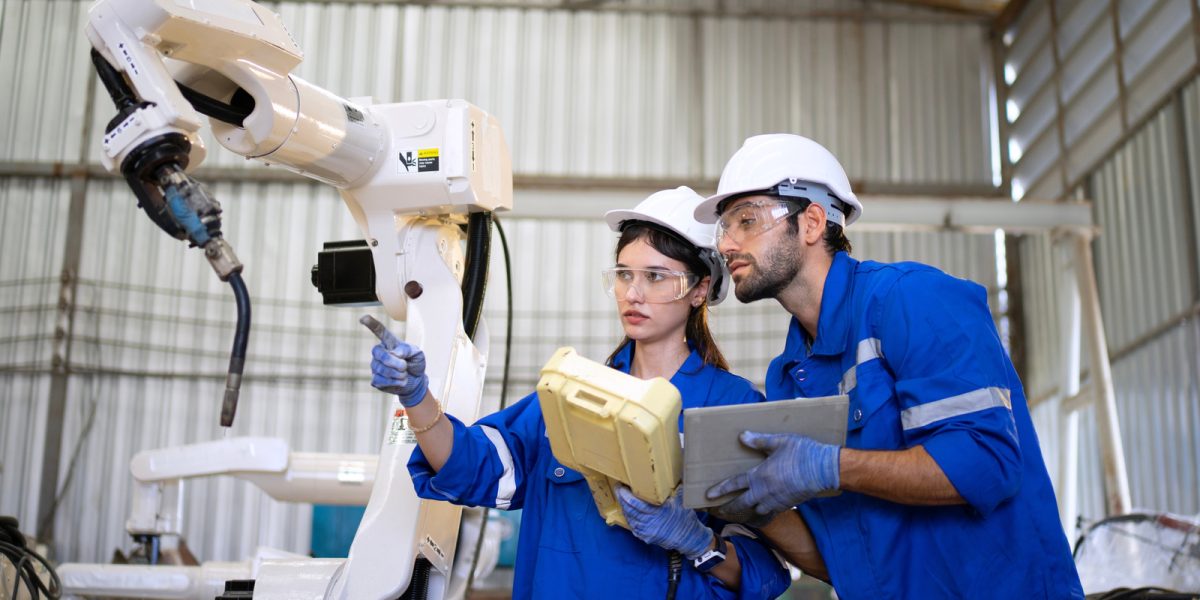
However, not all workers are feeling the pinch of AI-driven job losses. In fact, reports suggest that blue-collar workers are seeing AI actually enhance their jobs rather than replace them. By automating routine and repetitive tasks, AI is freeing up workers to focus on more complex and creative tasks.
This shift has significant implications for the way we think about work and the role of AI in the labor market. As AI takes on more routine tasks, workers are being trained and upskilled to take on more challenging and higher-paying roles.
What This Means
The rising tide of AI-driven job losses in the tech industry has significant implications for both workers and employers. As AI continues to transform the labor market, it’s essential for companies to adapt and invest in retraining and upskilling programs. This will not only help workers adapt to changing job requirements but also ensure that the benefits of AI are shared more widely.