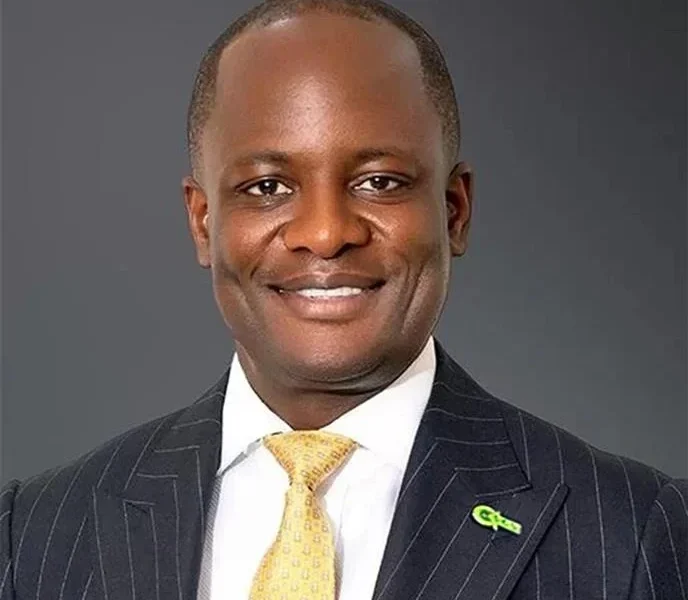
Nigeria’s Temi Popoola, CEO of the Nigerian Exchange Group, believes the country is primed to drive Africa’s largest exchange, and she’s not alone. Her words are the latest in a growing chorus of experts touting Nigeria’s potential as a hub for financial innovation.
A Young, Entrepreneurial Workforce
The Nigerian economy is often characterized by its youthful population, with over 60% of the country’s 206 million people under the age of 30. This demographic advantage could give Nigeria a significant edge in developing a thriving capital market. A workforce that is not only young but also increasingly entrepreneurial can bring fresh ideas and energy to the table, creating new opportunities for investment and growth.
Capitalizing on Entrepreneurial Momentum
According to Temi Popoola, Nigeria’s capital market has grown by 10% in the past year. While this may not seem like a major increase, it suggests that there is a foundation in place for further growth. The country’s entrepreneurs and small businesses are driving this growth, creating new opportunities for investment and job creation. With the right support and infrastructure, this momentum could be harnessed to propel Nigeria’s capital market to new heights.
A Strong Foundation for Africa’s Largest Exchange
Temi Popoola’s vision for Nigeria’s capital market is ambitious, but it’s clear that the country has the fundamentals in place to support it. With a growing economy, a young and entrepreneurial workforce, and a capital market that is already showing signs of growth, Nigeria is well-positioned to drive Africa’s largest exchange. This could not only benefit the country itself but also provide a boost to the wider African economy.
What this means: Nigeria’s growth potential could have a ripple effect across the continent, drawing in investors and creating new opportunities for economic development. As the country continues to develop its capital market, it’s worth keeping a close eye on its progress and seeing how it might shape the future of Africa’s economic landscape.