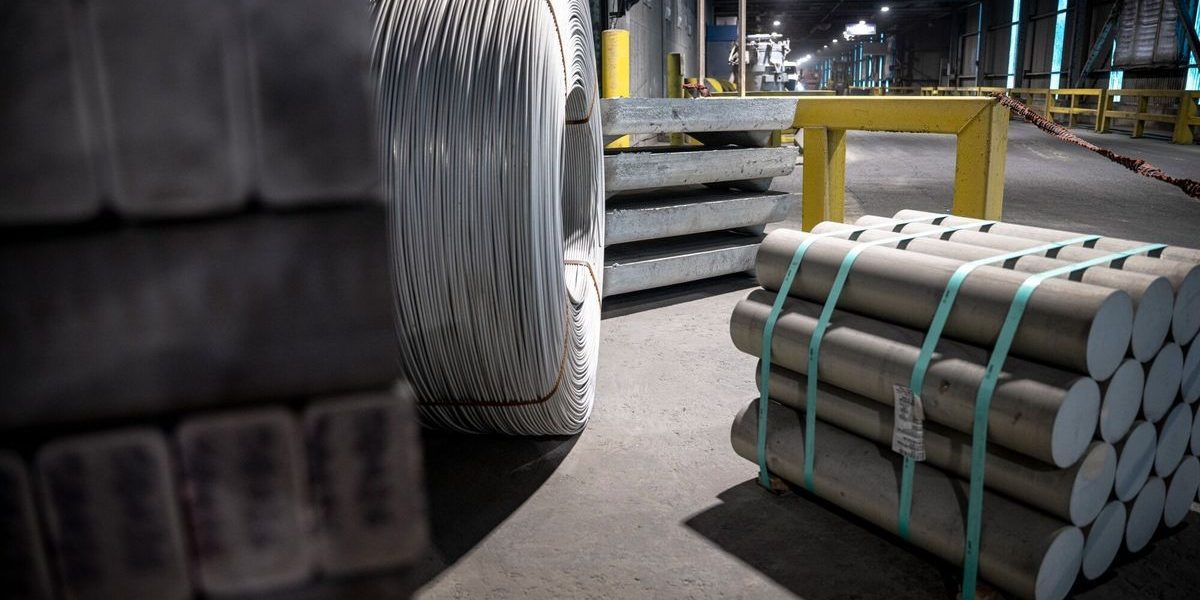
Bloomberg reported that copper prices are surging toward $14,000 a ton and aluminum prices have reached their highest in over four years, thanks to a combination of factors that are largely unrelated to artificial intelligence. However, AI systems are quietly contributing to this trend by helping companies and investors make more informed decisions about global demand.
The Middle East Conflict Drives Metal Demand
The unresolved conflict in the Middle East has become a wild card in the global economy, causing volatility in metal prices. As the situation remains uncertain, investors are flocking to safe-haven assets like copper and aluminum, which are used in a wide range of applications, from electronics to construction. The resulting surge in demand is driving up prices.
But how does this relate to AI? The story is more nuanced than it seems. AI systems are being used to analyze satellite imagery, social media, and other data sources to better understand the impact of the conflict on global demand. For example, companies like Airbus and Boeing are using AI-powered tools to monitor supply chain disruptions and adjust production plans accordingly. Similarly, investors are using AI-driven algorithms to forecast metal prices based on historical data and market trends.
The Role of AI in Predicting Demand
While AI may not be the primary driver of metal price increases, it is playing a supporting role in helping companies and investors make more informed decisions. By analyzing vast amounts of data, AI systems can identify patterns and trends that might otherwise go unnoticed.
For instance, AI-powered predictive models can help anticipate changes in global demand by analyzing factors like economic growth, weather patterns, and trade policies. This information can be used to inform investment decisions, optimize supply chains, and adjust production plans. In turn, this can help stabilize metal prices and reduce volatility.
What This Means for Investors and Consumers
The rising demand for copper and aluminum has significant implications for investors and consumers alike. Higher metal prices can lead to increased costs for companies, which may be passed on to consumers in the form of higher prices for goods and services.
However, the use of AI in predicting demand can also help mitigate these effects by enabling companies to make more informed decisions and adjust their production plans accordingly. This can help reduce the impact of price volatility and make the global economy more resilient to shocks like the Middle East conflict.