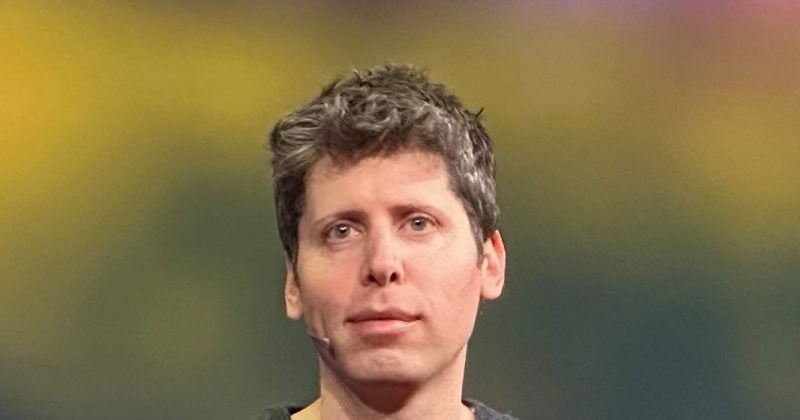
Sam Altman Predicts Explosive AI Progress in Six Months
At a recent Singularity University Summit event, Sam Altman, CEO of OpenAI, shared an audacious forecast: AI will advance more in the next six months than it has in the past two years. This bold prediction highlights the breakneck speed at which AI is evolving, and its potential to reshape innovation, regulatory landscapes, and the boundaries of scientific discovery.
AI has been making headlines for years, but the pace of progress has accelerated dramatically in recent times. The field is now moving at speeds that are challenging to keep up with, with breakthroughs in areas like natural language processing, computer vision, and reinforcement learning. As a result, the possibilities for AI integration in various industries – from healthcare and finance to education and transportation – are becoming increasingly diverse and impactful.
The implications of this rapid progress are far-reaching. For one, it could redefine the way we think about innovation and progress. In the past, significant advancements often unfolded over years or even decades. However, with AI advancing at an unprecedented rate, we may witness an exponential increase in innovation, leading to new products, services, and applications that we can’t yet imagine.
But with progress comes challenges. Regulatory frameworks are struggling to keep pace with the rapid evolution of AI. As AI becomes increasingly integrated into various aspects of our lives, there is a growing need for clear guidelines and regulations to ensure its safe and responsible development. This is not just a matter of ethics; it’s also about preventing the misuse of AI, which could have devastating consequences.
The six-month window predicted by Altman will be a critical period for AI, with several key milestones expected to be reached. For one, we can expect significant advancements in self-improving AI systems, which have the potential to revolutionize scientific discovery and accelerate the development of new technologies. The implications of this for fields like medicine, climate modeling, and materials science are profound, and could lead to breakthroughs that were previously unimaginable.
What this means is that we need to be prepared for a future where AI is an integral part of our daily lives. As AI advances at an unprecedented rate, we must prioritize responsible development, ensure that regulatory frameworks keep pace, and prepare ourselves for a future where the boundaries between human and machine continue to blur.