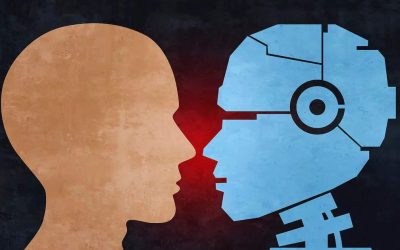
China’s universities are no longer the sole gatekeepers of talent development, with the government taking a more active role in shaping the skills of the future workforce.
As China’s AI revolution gains momentum, the country is gearing up to mitigate the impact of the impending AI shock on its workforce. According to analysts, the government’s focus on higher education reform is not simply a response to graduate unemployment, but a strategic move to create a pipeline of talent equipped to handle the changing job market.
China’s National Development and Reform Commission (NDRC) has been playing a key role in this effort, outlining a comprehensive framework for talent development in various sectors, including AI, biotechnology, and renewable energy. The NDRC’s vision is to create a workforce that is adaptable, innovative, and equipped to drive economic growth.
This shift in approach is already yielding results. The Chinese government has established a network of training centers and research institutions that focus on emerging technologies such as AI, robotics, and quantum computing. These centers are working closely with industry partners to develop curricula that are tailored to the needs of the job market.
Curriculum Design on the Frontline
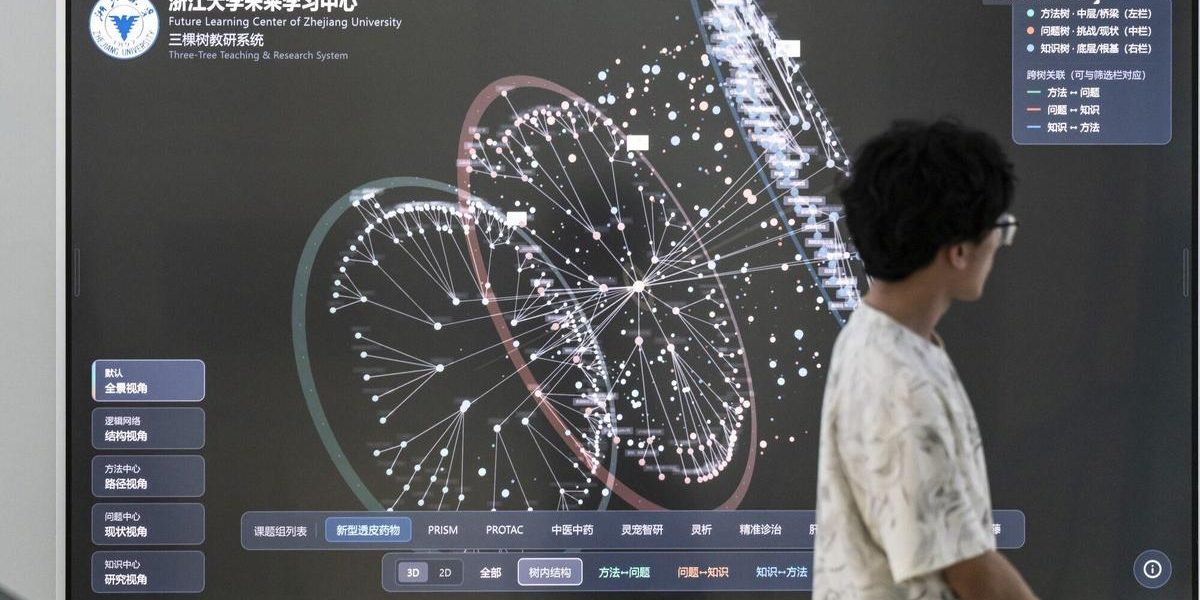
Curriculum design is no longer being left to universities; it’s become part of China’s national economic and technology strategy. The government is investing heavily in the development of AI-powered education platforms that can help teachers personalize learning experiences and assess student progress more effectively.
In contrast to the traditional classroom model, these platforms use AI algorithms to identify knowledge gaps and provide real-time feedback to students. Teachers can then use this data to adjust their teaching strategies and ensure that students receive the support they need to succeed.
A National Talent Development Plan
China’s higher education reforms are part of a broader national talent development plan that aims to create a workforce that is equipped to drive economic growth and innovation. The plan includes initiatives such as the “Made in China 2025” initiative, which aims to develop China into a global leader in advanced manufacturing, AI, and biotechnology.
What this means for China’s workforce is a potentially more stable and resilient future, where workers are equipped with the skills they need to adapt to the changing job market. As the AI shock hits, China’s workers will be better prepared to navigate the challenges and opportunities that come with it.