**AI-Powered Nuclear Energy: China Unveils Ambitious Integration Plan at WAIC**
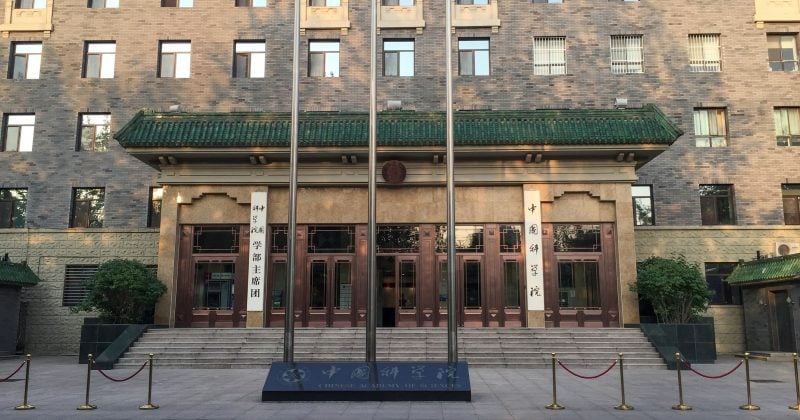
The Chinese Academy of Sciences has just announced a plan to merge artificial intelligence (AI) with next-generation nuclear power at the World Artificial Intelligence Conference (WAIC) 2026. The AI for ADANES (Advanced Digitalized And NucleAr Energy System) roadmap marks a significant step towards China’s goal of harnessing AI to improve the efficiency, safety, and sustainability of nuclear energy.
The ADANES project aims to integrate AI with nuclear power to create a more intelligent, flexible, and scalable energy system. This involves developing AI-powered control systems, real-time monitoring and prediction tools, and data-driven optimization techniques to enhance nuclear power plant performance. The ultimate goal is to create a more efficient, reliable, and sustainable energy source that can support China’s growing energy demands.
**What this means**: The integration of AI with nuclear energy could have significant implications for energy-hungry industries like AI and crypto mining. With a more efficient and scalable energy source, these industries may be able to reduce their carbon footprint and lower their energy costs. The ADANES project could also pave the way for the development of new AI-powered energy solutions, such as AI-optimized smart grids and energy storage systems.
**Key Players**: The Chinese Academy of Sciences is a leading research organization in China, and the ADANES project is a testament to the country’s commitment to advancing AI research and applications. The project’s success will depend on the collaboration between experts in AI, nuclear energy, and related fields.
Implications for the Energy Sector
The AI for ADANES roadmap has the potential to transform the energy sector in several ways. By leveraging AI to optimize nuclear power plant performance, China can reduce its reliance on fossil fuels and lower its carbon emissions. The ADANES project could also create new opportunities for the development of renewable energy sources, such as solar and wind power, which can be integrated with nuclear energy to create a more diverse and sustainable energy mix.
Challenges and Opportunities
While the ADANES project presents many opportunities for the energy sector, it also poses significant technical and regulatory challenges. The integration of AI with nuclear energy requires the development of new safety and security standards, as well as the establishment of robust data management and cybersecurity protocols. Addressing these challenges will be crucial to the project’s success and will require close collaboration between experts from academia, industry, and government.
Next Steps</hassistant
**What’s Next for ADANES**
The AI for ADANES roadmap marks an important milestone in China’s journey towards AI-powered nuclear energy. The next steps will involve the development of a detailed implementation plan, which will outline the key milestones, timelines, and resources required to bring the ADANES project to life. This will require close collaboration between the Chinese Academy of Sciences, industry stakeholders, and government agencies to ensure the project’s success.
In the coming months, we can expect to see more details about the ADANES project, including the development of new AI-powered tools and technologies. The project’s success will have significant implications for the energy sector, both in China and globally, and will pave the way for the development of new AI-powered energy solutions that can support a sustainable and secure energy future.