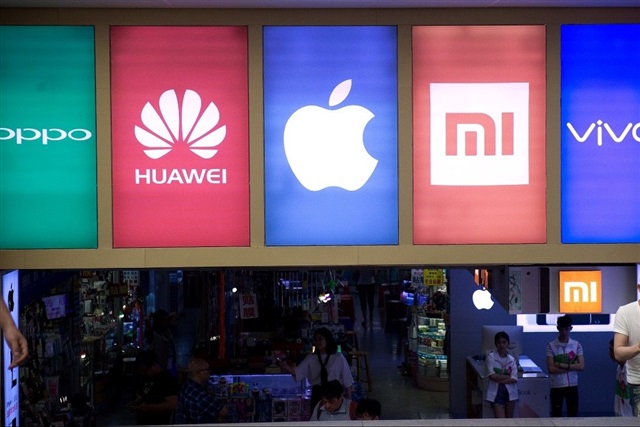
Nvidia, the graphics processing unit (GPU) giant, is making a significant push into AI-powered PCs, a move that could reshape how people and businesses use artificial intelligence. This shift comes as the smartphone market faces a sharp downturn, with handset demand plummeting in recent months.
A New Era of Local AI Processing
Nvidia’s move is centered around its GeForce RTX 40 series of GPUs, which the company claims will enable faster and more efficient AI processing on local devices. This means that instead of relying on cloud services, users can run AI models and applications directly on their PCs, reducing latency and improving performance.
The GeForce RTX 40 series is designed to tackle a broad range of AI tasks, from AI-powered creative tools to machine learning model training and inference. This versatility will appeal to both consumers and businesses, who can now use their PCs as a powerful local AI hub.
Why the Smartphone Market Matters
The timing of Nvidia’s move is important because it coincides with a significant downturn in the smartphone market. In recent months, demand for handsets has weakened rapidly, forcing manufacturers to slash production and adjust their pricing strategies. This trend has implications for cloud services, which rely heavily on smartphones to deliver their AI experiences.
For years, cloud services like Google Cloud AI Platform, Amazon SageMaker, and Microsoft Azure Machine Learning have dominated the AI landscape. However, as smartphone demand wanes, these services may struggle to maintain their momentum. Nvidia’s push into local AI PCs could offer a compelling alternative, enabling users to run AI applications without relying on cloud services.
What this Means for You
Nvidia’s move into AI PCs may seem like a significant shift, but it has practical implications for users. With local AI processing, you can enjoy faster and more responsive AI experiences, without worrying about internet connectivity or cloud service outages. This could be particularly appealing to content creators, data scientists, and businesses that rely on AI-powered tools.