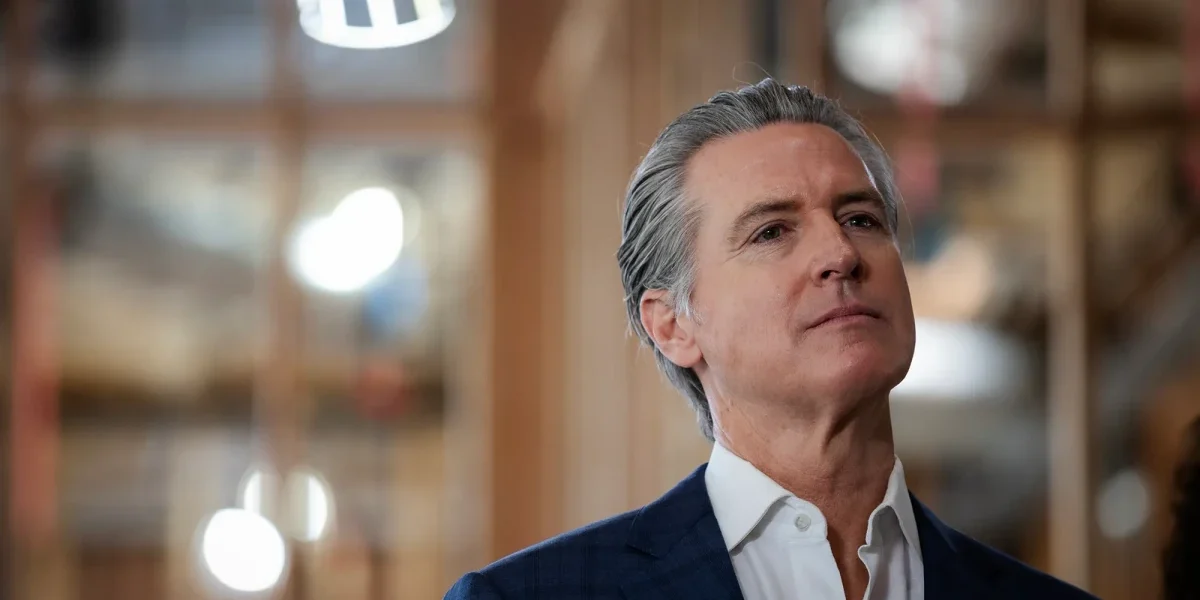
<p Calif. Governor Gavin Newsom's Tax Stance Reflects a Nation Divided on AI-Era Wealth.
California Governor Gavin Newsom has long walked a tightrope on taxes, but a recent shift in his stance may signal a change in approach for his 2028 presidential bid – and it has everything to do with artificial intelligence.
Populism and the Rise of AI
The 2020s have seen a surge in populist movements worldwide, often fueled by economic anxiety and concerns about income inequality. AI’s exponential growth has accelerated this trend, with many people worried about being left behind in an era of automation and rapidly increasing wealth disparities.
Newsom, who has been eyeing a potential presidential run, has taken a page from the populist playbook. By opposing a proposed state billionaire tax while embracing a federal one, he’s trying to straddle two opposing camps: those who demand greater state control over the wealthy and those who advocate for a more unified national approach.
Taxing the Rich: A National Priority
The state billionaire tax, which would have targeted companies registered in California with $1 billion in net income, was met with fierce opposition from business groups and some Democratic lawmakers. Newsom’s move to sidestep this proposal may seem like a defeat for the anti-wealth crowd, but analysts argue it’s a calculated move to position himself for a national audience.
As the nation grapples with the implications of AI on the economy, Newsom’s stance on taxing the rich reflects a broader divide between those who see AI as a catalyst for inequality and those who believe it can be a force for good. By embracing a federal billionaire tax, Newsom is signaling that he understands the gravity of this issue and is willing to take a more unified approach to addressing it.
What this Means
Newsom’s decision may have significant implications for the 2028 presidential election. By tapping into the growing populist sentiment around AI-era wealth disparities, he’s positioning himself as a champion of the common man – and a leader who won’t shy away from targeting the rich to fund vital social programs.
For Californians and Americans alike, this shift in Newsom’s stance serves as a reminder that the debate around AI’s impact on society is far from over. As we enter a new era of technological disruption, one thing is clear: the politics of the future will be shaped by our perceptions of this increasingly polarized issue.