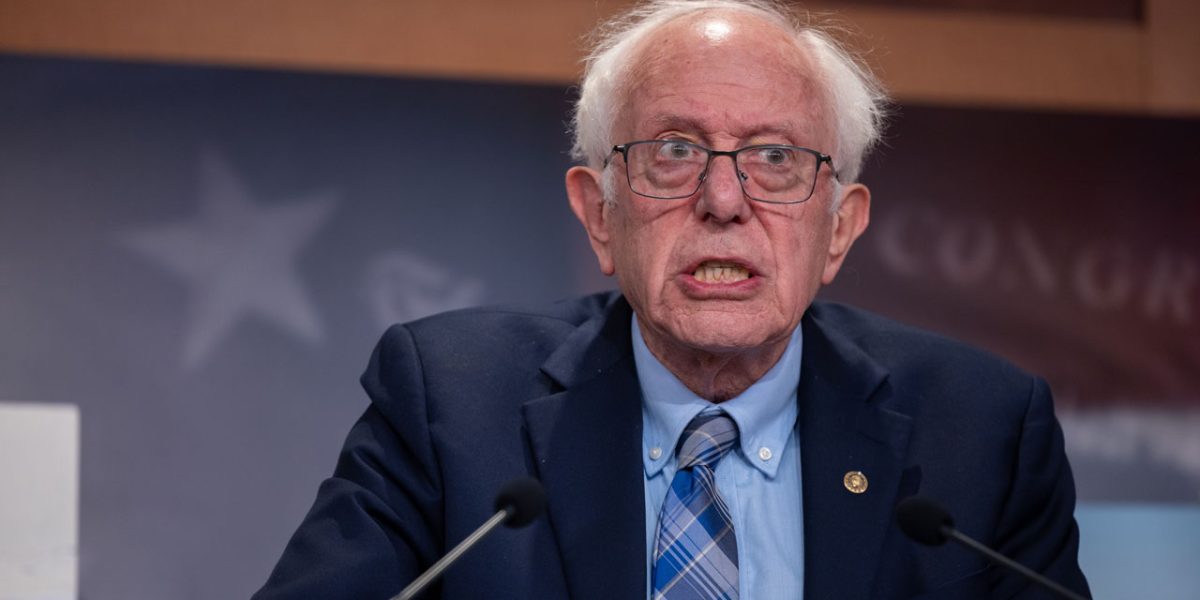
Sen. Bernie Sanders is taking aim at a provision in the National Defense Authorization Act that would strengthen U.S.-Israel defense ties, saying it would unfairly privilege Israel over some NATO allies.
Amended Defense Act
The amendment in question, Section 224, would allow the U.S. to share classified defense information with Israel, effectively increasing their security cooperation.
The amendment has been championed by some as a way to bolster the Israeli military and strengthen a key alliance, but critics like Sen. Sanders see it as a threat to regional stability.
NATO Alliances at Risk?
Sanders argues that the amendment would create an uneven playing field among NATO allies, elevating Israel to a status above some of its peers.
According to the Senator, the U.S. should prioritize its relationships with other NATO members, many of whom have more pressing security concerns than Israel.
What this means
Sanders’ call to strip Section 224 from the National Defense Authorization Act has sparked a heated debate about U.S. foreign policy in the Middle East.
If the amendment is removed, it could signal a shift in U.S. priorities, with a greater emphasis on supporting its NATO allies. This could have significant implications for regional stability and U.S. relationships with countries like Turkey and Egypt.
AI’s Role in Defense Cooperation
While AI is increasingly playing a key role in defense cooperation, with the U.S. and Israel already collaborating on AI-powered defense projects, the amendment’s removal could impact this cooperation.
However, it’s worth noting that the U.S. has committed to strengthening its relationships with NATO allies through the development of AI-powered defense systems, such as the NATO-led “Alliance Future Forces 2030” initiative.
As the debate over Section 224 continues, one thing is clear: the U.S. relationship with Israel will be a major focus of U.S. foreign policy in the coming years.