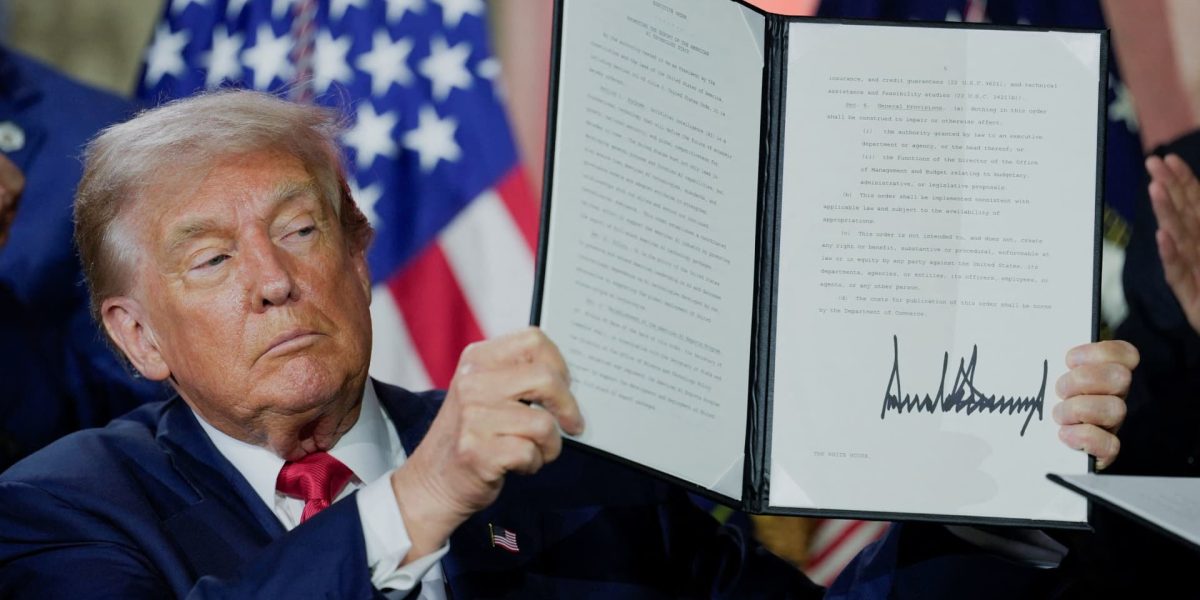
The Trump administration’s handpicked director of the Center for AI Standards and Innovation (CAISI) has resigned after just three months on the job.
Chris Fall, the head of CAISI, stepped down from his position, leaving behind a trail of unanswered questions and concerns about the agency’s ability to effectively oversee AI development in the US. This decision comes as a surprise, given the Trump administration’s push for rapid AI progress and innovation.
CAISI was established to address the urgent need for AI safety and standards in the US. As the director, Chris Fall’s role was to lead the agency in developing guidelines and regulations for AI development, ensuring that the benefits of AI are equitably distributed while minimizing its risks.
The reason behind Chris Fall’s resignation hasn’t been disclosed, but sources close to the matter suggest that the agency’s slow start and lack of progress on key initiatives might have contributed to his decision. This development raises concerns about the Trump administration’s commitment to AI safety and the long-term prospects of CAISI.
Shifting Leadership
Arvind Raman, the director of National Institute of Standards and Technology, will serve as the acting director of CAISI. Raman brings a wealth of experience in leading large-scale research initiatives, and his appointment is expected to provide stability to the agency during this transitional period.
Implications for AI Regulation
The sudden resignation of Chris Fall has sparked concerns about the Trump administration’s ability to effectively regulate AI development in the US. Without a clear leader, CAISI’s progress on key initiatives, such as developing AI safety standards, may stall or slow down. This could have far-reaching implications for the US tech industry, which is already facing increased scrutiny from lawmakers and regulators.
What this means
The resignation of Chris Fall highlights the challenges of regulating AI development in a rapidly changing landscape. As AI continues to advance at an unprecedented pace, the need for effective safety standards and regulations becomes increasingly pressing. The US needs a clear and consistent approach to AI regulation to avoid a regulatory vacuum that could hinder innovation while putting the public at risk.