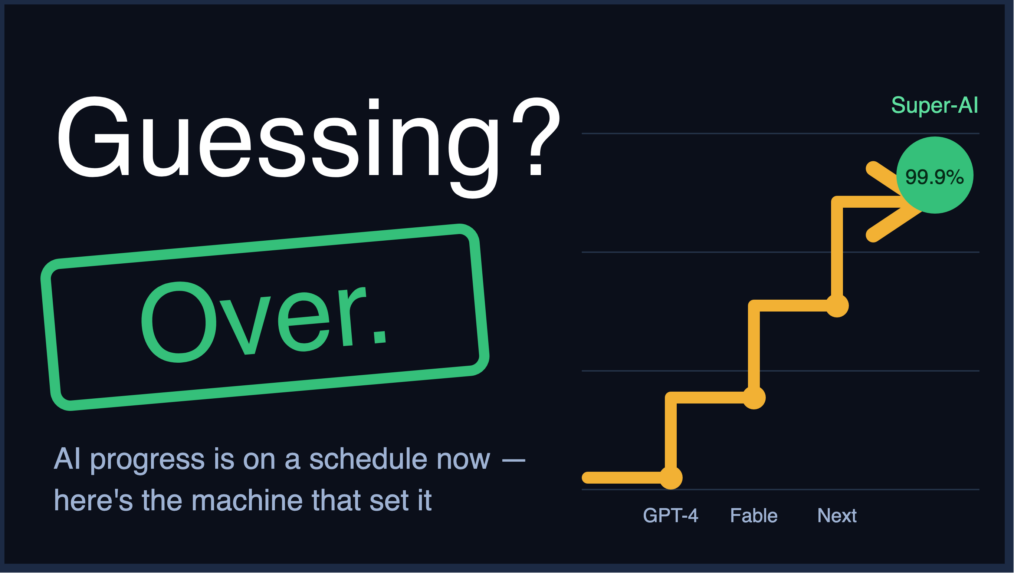
Meta AI’s Llama model just made a major splash in the AI community, signaling a return to predictable and substantial leaps in progress. But the real magic isn’t in bigger models – it’s all about mastering data quality, building synthetic data factories, and creating fast verification loops.
Until recently, AI progress was a wild ride. Breakthroughs would come out of nowhere, and it was anyone’s guess what new technology would suddenly emerge from the labs. But now, researchers like **Yann LeCun**, Director of AI Research at Meta, have cracked the code. The secret to sustained progress lies in taming the messy data that fuels AI.
Think of it like cooking. You can’t make a great dish with subpar ingredients. Similarly, you can’t build accurate AI models with low-quality data. That’s where synthetic data factories come in – they generate high-quality data on demand, allowing researchers to train and test AI models faster and more efficiently.
Another crucial aspect is fast verification loops. In domains like math and programming, AI models can quickly check their work against established rules and formulas. This ensures that the AI’s understanding of the subject is accurate and reliable.
So, what does this mean for you and me? Well, for one, AI will become increasingly reliable and trustworthy. No more wondering if the latest AI-powered gadget will somehow magically work its magic. With predictable progress, we can expect steady improvements across industries – from healthcare to finance.
Of course, there are caveats. As AI research becomes more structured and methodical, it may attract more competition. But for now, the benefits far outweigh the risks.