South Korea’s Central Bank Takes a Firm Stance Against Inflation
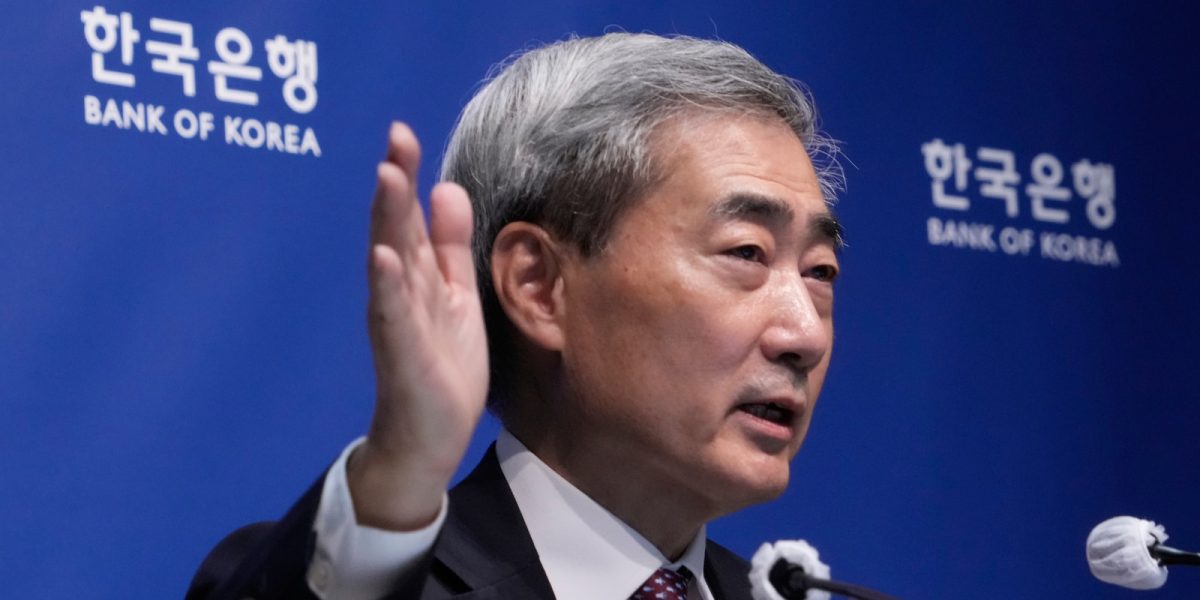
For the first time in over three years, South Korea’s central bank has raised its key interest rate, a move aimed squarely at curbing inflation and reining in the country’s rising debt levels. The Bank of Korea, led by Governor **Rhee Chang-yong**, increased the benchmark seven-day repo rate by 25 basis points to 2.75%, a decision made in response to rising inflation, exacerbated by the ongoing war in the Middle East.
The decision to raise interest rates is a response to inflation rates that have been steadily climbing, fueled in part by the conflict in the Middle East, which has driven up oil prices and, subsequently, household costs. The war has caused a significant spike in global commodity prices, placing upward pressure on South Korea’s inflation rate. As a result, the Bank of Korea has sought to reduce the money supply and slow down the growth of the country’s high household debt by increasing borrowing costs.
The hike in interest rates will have a ripple effect throughout the South Korean economy, impacting consumers, businesses, and the overall housing market. Homebuyers and homeowners will face higher mortgage rates, potentially slowing down the housing market and making it more expensive to purchase or maintain a home. Businesses, particularly those with high levels of debt, may struggle to access credit, hindering their ability to expand or invest in new projects.
A Tug-of-War Between Inflation and Growth
The Bank of Korea’s decision to raise interest rates reflects the delicate balancing act between controlling inflation and promoting economic growth. If left unchecked, inflation can erode the purchasing power of consumers, undermine economic stability, and exacerbate social inequality. However, raising interest rates too aggressively can choke off economic growth, leading to job losses, reduced consumer spending, and a broader economic downturn.
The Bank of Korea will closely monitor inflation and economic indicators, adjusting its monetary policy as needed to achieve a balance between curbing inflation and promoting sustainable economic growth. The outcome of this balancing act will have significant implications for South Korea’s economy and its citizens.
What this means
For South Korean consumers and businesses, the interest rate hike will mean higher borrowing costs, potentially affecting their ability to access credit and maintain a healthy balance sheet. As the Bank of Korea continues to navigate the complex interplay between inflation and economic growth, the South Korean government and citizens must be prepared for potential adjustments to monetary policy and their corresponding impact on the economy.