America’s struggle to contain China’s growing influence in Latin America is a stark reminder that trying to push a rival power out often fails.
The Latin American Chessboard
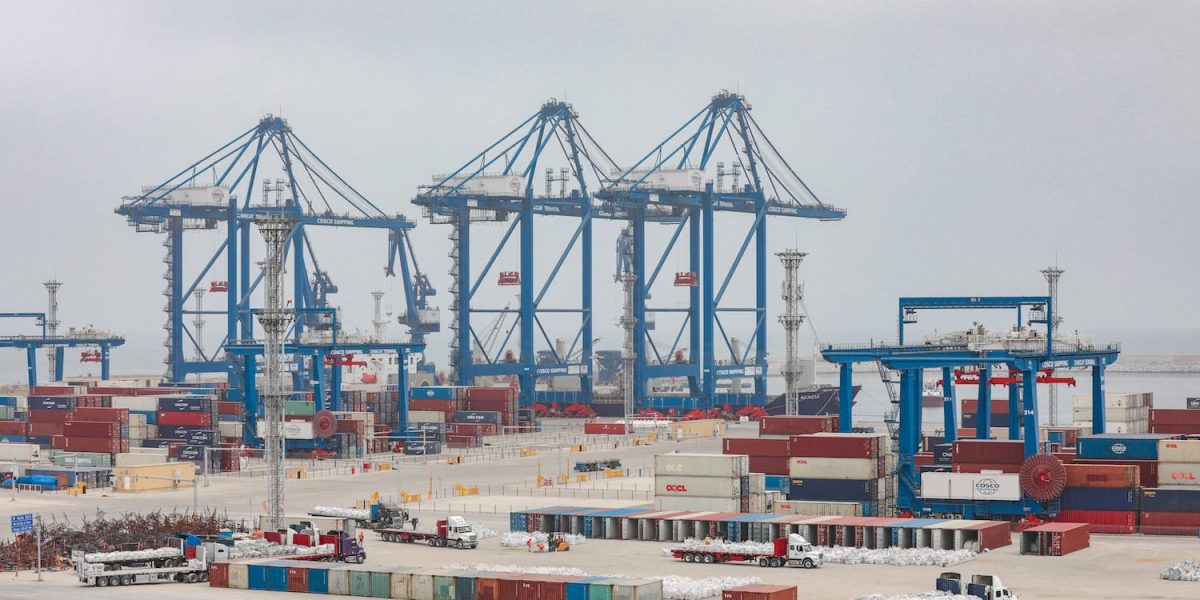
China’s presence in the region is complex, driven by a mix of economic interests, diplomatic ties, and strategic partnerships. **Bilateral trade** between China and Latin America surpassed $250 billion in 2020, with China increasingly becoming a key destination for the region’s exports. This economic engagement has also led to significant investments in infrastructure, energy, and technology, often facilitated by Chinese state-owned enterprises.
The U.S. has long been the dominant partner in Latin America, with a legacy of political, economic, and cultural ties dating back to the early 19th century. However, Washington’s approach to counter China’s influence in the region has been marked by skepticism and often outright exclusion. Rather than recognizing the potential benefits of cooperation, the U.S. has frequently emphasized the risks associated with Chinese involvement.
Competing Interests, Limited Options
China’s engagement in Latin America is multifaceted and often mutually beneficial. For instance, China’s investment in the Panama Canal expansion has enhanced the region’s connectivity and trade potential. Similarly, China’s growing economic ties with countries like Brazil, Argentina, and Chile have provided these nations with opportunities for growth and development. However, these partnerships have also raised concerns about the environmental and social impacts of Chinese projects, as well as the potential for Chinese influence to undermine democratic institutions.
Instead of trying to exclude China from the region, the U.S. should recognize the complexity of these relationships and offer Latin American countries better strategic alternatives. By engaging in more collaborative and inclusive approaches, Washington could work with Beijing to address shared concerns and promote mutually beneficial outcomes.
A New Era of Cooperation
The time has come for the U.S. to adopt a more nuanced and pragmatic approach to China’s presence in Latin America. By prioritizing dialogue and cooperation over competition and exclusion, Washington could strengthen its own position in the region while fostering a more stable and prosperous Latin America. Ultimately, a more collaborative approach would not only benefit the U.S. but also help ensure that the region’s future is shaped by its own choices, rather than the competing interests of external powers.