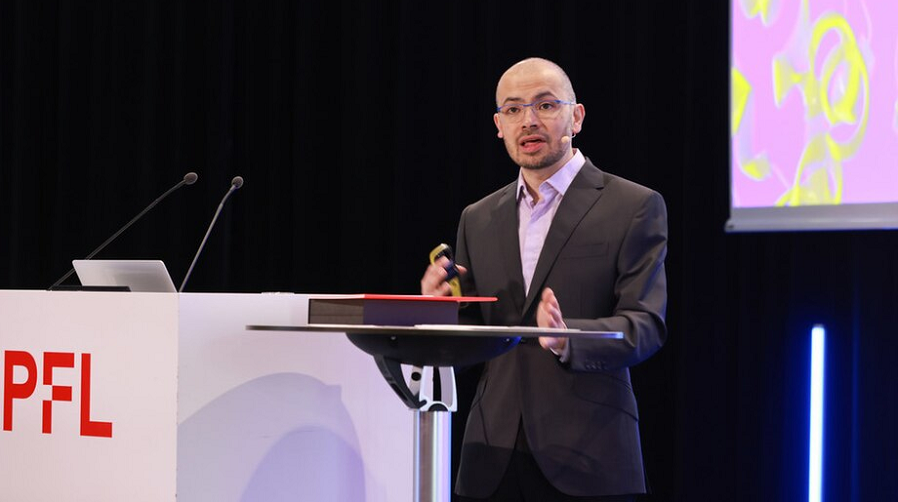
Google DeepMind CEO Demis Hassabis thinks the AI industry needs a referee.
Demis Hassabis, CEO of Google DeepMind, just published a thought-provoking essay on Substack calling for the creation of a US-led standards body to regulate the rapidly developing field of AI. This move marks a significant shift in the usually secretive world of AI research, where experts are often hesitant to speak out against their peers.
The AI field is currently characterized by a wild west-like environment where companies and researchers are pushing the boundaries of what’s possible with little to no oversight. Hassabis believes a standards body would help provide much-needed clarity and guidelines for the development of AI models. Such a body would be responsible for establishing safety standards, ensuring transparency, and promoting responsible AI development.
Hassabis pointed out that the AI industry is at an inflection point, with the development of large language models and other frontier AI models raising new challenges. He emphasized the need for a unified approach to address these issues, which he believes the US is well-positioned to lead.
As AI systems become increasingly pervasive, there’s growing concern about their potential impact on society. Issues such as job displacement, bias in decision-making, and the potential misuse of AI have sparked heated debates and calls for greater regulation. A standards body could help address these concerns by providing a framework for responsible AI development and deployment.
**What does this mean for you?**
Hassabis’ call for a standards body should be seen as a positive development for the industry and society as a whole. It suggests that even the leaders of AI research are acknowledging the need for more oversight and accountability. As AI continues to advance and become more ubiquitous, having clear guidelines and regulations in place will be essential for ensuring its safe and beneficial use.
**A step towards regulation**
Hassabis’ proposal is not a radical departure from the current landscape, but rather a necessary step towards creating a more structured and responsible industry. By advocating for a US-led standards body, he’s opening the door for a more coordinated and effective approach to AI regulation. It remains to be seen whether his call to action will inspire others to follow suit, but one thing is clear: the AI industry is on the cusp of a major transformation, and a unified approach to regulation will be crucial to its success.