**Liang Wenfeng’s $7.4 Billion Bet on AI Pays Off in a Big Way**
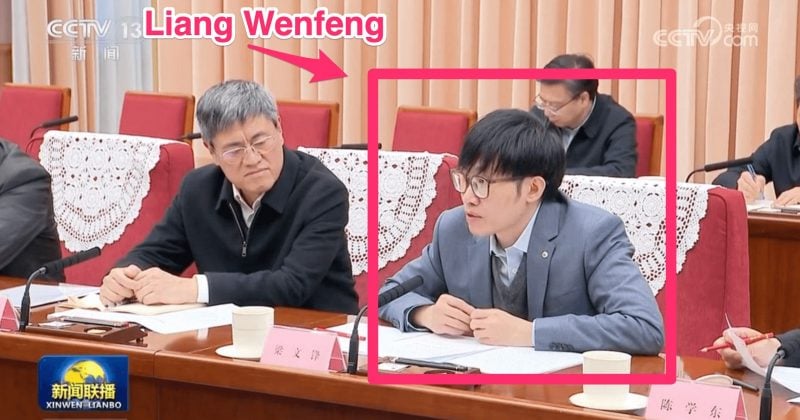
Liang Wenfeng, founder of AI startup DeepSeek, has just become the world’s richest AI creator after his company secured a staggering $7.4 billion fundraising round. This massive influx of cash puts Liang at the pinnacle of the AI wealth hierarchy, and it’s not hard to see why.
**Liang’s $3 Billion Gamble Pays Off**
What’s remarkable about this round is the way Liang structured the deal. He personally invested an eye-watering $3 billion of his own money, and managed to negotiate a deal where outside investors get zero voting rights. This means Liang retains complete control over DeepSeek, a fact that’s likely to spark controversy in the tech world.
Liang’s move highlights a growing trend in the AI sector, where investors are willing to put their money behind ambitious projects with tremendous potential, even if it means sacrificing traditional governance rights. This trend is likely to have far-reaching implications for the way companies like DeepSeek are run.
**A New Era of AI Investing**
The DeepSeek deal is part of a broader shift in AI investing, where the focus is on backing projects with the potential to revolutionize industries, rather than just generating returns. This approach has raised questions about accountability and the concentration of power in the hands of a few key individuals.
DeepSeek’s focus on AI research and development has the potential to unlock significant breakthroughs in fields like healthcare, finance, and education. But with Liang’s control over the company comes a risk that the interests of investors and the broader public may be secondary to his own vision.
**What This Means**
For ordinary people, the implications of this trend are that AI innovation may accelerate at a faster pace than ever before. But it also means that we may see more examples of companies like DeepSeek, where the lines between individual ambition and public interest blur. As AI continues to shape our world, it’s essential to have a nuanced understanding of the forces driving its development.
Liang’s rise to the top of the AI wealth hierarchy is a testament to his vision and risk-taking ability. But it also raises important questions about the future of AI governance and accountability.