Fed’s New Chair Promises Reform, but What Does That Mean for Americans?
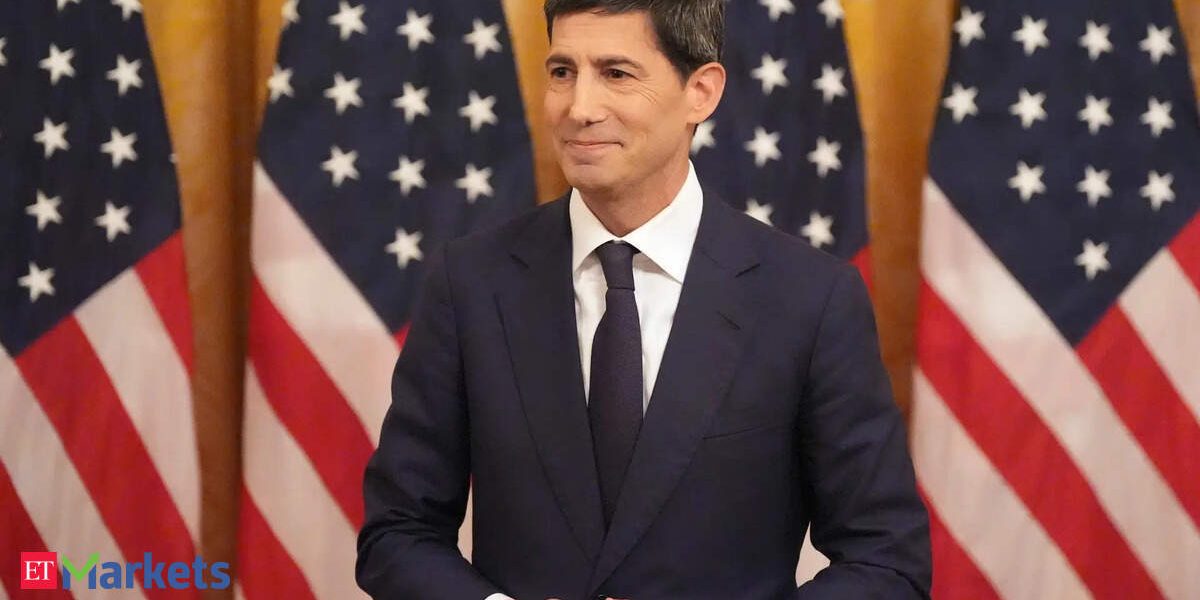
As Kevin Warsh took the oath as the new head of the US Federal Reserve, he dropped a tantalizing hint about his tenure: “reform-oriented”. What that means for ordinary Americans is still unclear, but one thing’s for sure – it’s not a promise to leave the Fed’s massive power unchanged.
A Promising Start, but What’s Next?
Warsh’s vow to bring reform to the Fed is a welcome change from the usual platitudes about the central bank’s independence. President Donald Trump, who swore him in, insisted that this would be a “totally independent” Fed, but history shows that’s often just code for doing what the administration wants.
Warsh, a Harvard grad and former Treasury official, has some experience with financial regulation, but his lack of monetary policy experience raises eyebrows. Still, his words are promising, and it’s possible he might be the one to shake things up.
What This Means for You
So, what should you expect from this new reform-oriented Fed? For starters, it’s possible that the Fed might start cracking down on the too-big-to-fail banks that have been given a free pass for far too long. This could mean stricter regulations and potentially even breakups of some of the largest financial institutions.
Warsh also might push for more transparency at the Fed, making it harder for the central bank to engage in secretive deals and bailouts. This could help restore public trust in the institution and prevent the kind of reckless behavior that led to the 2008 crisis.
Of course, all of this is speculation for now, and it remains to be seen whether Warsh will actually deliver on his promises. Still, with the Fed’s massive influence over the US economy, this is one development to keep a close eye on.