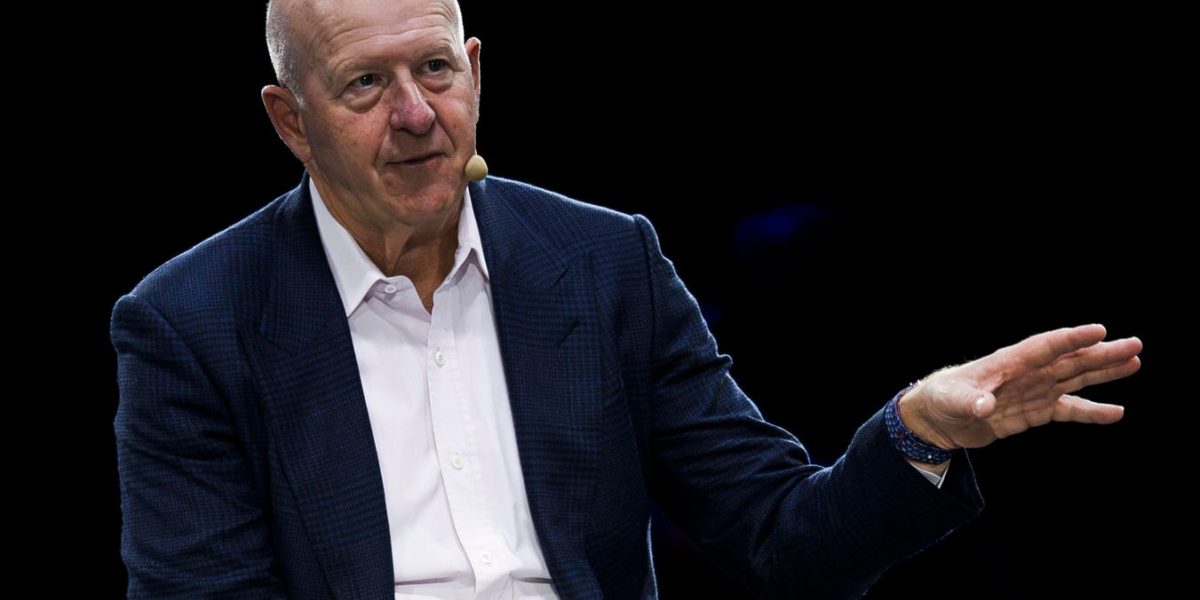
Goldman Sachs CEO David Solomon has sparked a conversation about the future of work in the age of artificial intelligence, dismissing fears of widespread unemployment as “overblown.”
AI Job Displacement vs. New Opportunities
While acknowledging that AI has indeed displaced jobs in certain industries, Solomon argues that these losses are often offset by the creation of new roles in fields where AI is driving growth. He cites the example of a financial services company that replaced a human analyst with an AI model, only to find that the analyst was retrained and reassigned to a different team where their skills were in higher demand.
According to Solomon, this is not an isolated incident. As AI assumes routine and repetitive tasks, employees are being upskilled and reskilled to work alongside machines, leading to a more dynamic and adaptive workforce.
Rethinking the Job Market
Goldman Sachs’ chief executive has a vested interest in the future of AI – after all, his company has been at the forefront of adopting the technology. But his commentary also speaks to a broader shift in the job market, where the boundaries between humans and machines are becoming increasingly blurred.
As AI takes over tasks that are easy to codify, humans are being freed up to focus on higher-value activities that require creativity, empathy, and complex problem-solving. It’s a vision of the future where workers are not pitted against machines, but rather, work in collaboration with them to drive progress and growth.
What This Means
So what does this mean for workers who fear that AI will replace them? Not that they need to panic, according to Solomon. Instead, they should be prepared to adapt, upskill, and reskill to stay relevant in a rapidly changing job market.
For policymakers and business leaders, Solomon’s commentary offers a reminder that the future of work is not just about automation, but also about education, training, and social safety nets. By investing in the skills and well-being of workers, we can ensure that the benefits of AI are shared by all, not just a select few.