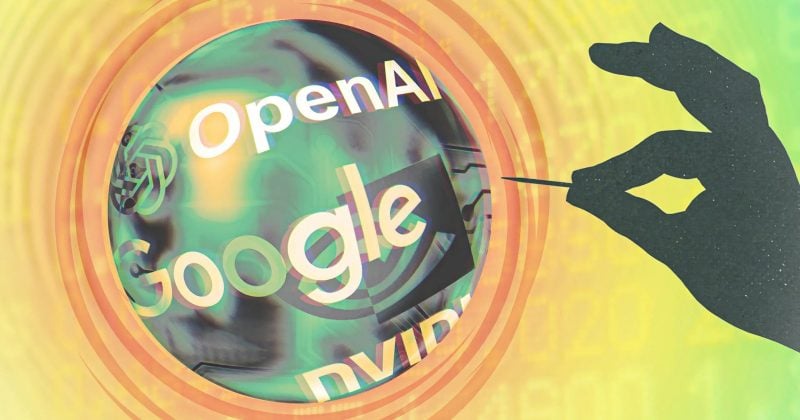
A Skeptical Reevaluation of AI’s Economic Viability
The AI sector is facing a reckoning, with companies rethinking the financial viability of their investments in artificial intelligence technologies, a trend highlighted in a recent report by OilPrice.com. This shift in perspective has sparked concerns about market volatility and its potential impact on the valuations of tech giants.
The report points to a growing unease among businesses about the cost and efficiency of implementing AI solutions, with some questioning whether the benefits outweigh the expenses. This skepticism is particularly pronounced in industries where AI adoption has been particularly aggressive, such as finance and healthcare. The result is a reassessment of the economic viability of AI, with some companies reining in their ambitions and others abandoning projects altogether.
The AI Bubble
The concept of an “AI bubble” has been circulating in tech circles for some time, with proponents arguing that the sector’s rapid growth has created unrealistic expectations about its potential. Critics point to the high costs of developing and implementing AI technologies, as well as the challenges of scaling and integrating them into existing systems. While AI has undoubtedly made significant strides in recent years, its adoption is not without its challenges, and the sector’s growth may be slowing as a result.
What this means
For tech investors and enthusiasts, the question is whether the AI bubble is about to burst. If the sector’s growth slows, it could have significant implications for companies that have invested heavily in AI research and development, potentially leading to a revaluation of their stocks and a decline in market capitalization. On the other hand, a more measured approach to AI adoption could ultimately lead to more sustainable growth and a more robust sector in the long term.