Taiwan’s AI Boom Poses Capacity Crisis, Shifts Industrial Priorities
Taiwan, home to the world’s leading semiconductor manufacturers, is bracing for a surge in artificial intelligence demand, warning of a capacity crisis that will reshape the country’s industrial priorities.
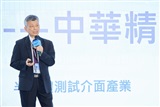
The warning comes from **Scott Huang**, president of Chunghwa Precision Test Tech, one of Taiwan’s top tech firms. On July 7, Huang revealed that his company’s biggest challenge over the next five years will be keeping up with skyrocketing AI demand across the semiconductor supply chain.
Taiwan’s Semiconductor Supply Chain at the Forefront
Taiwan’s dominance in the global semiconductor market is well-known, with companies like TSMC (Taiwan Semiconductor Manufacturing Company) and UMC (United Microelectronics Corporation) serving as the backbone of the industry. As AI applications continue to proliferate, from smart home devices to self-driving cars, the demand for specialized semiconductors is outpacing supply. This has put a massive strain on Taiwan’s manufacturing capacity.
A Capacity Crisis Looms
Chunghwa Precision Test Tech, a key player in the semiconductor testing and inspection sector, is feeling the squeeze. With AI demand projected to surge, Huang fears that his company won’t be able to meet the growing demand, leading to a capacity crisis. This, in turn, will force Taiwan to prioritize its industrial development, potentially shifting the country’s focus from traditional sectors like electronics and textiles to AI-driven industries.
What this means for Taiwan
Taiwan’s government will need to take a proactive approach to address the capacity crisis. This might involve investing in new manufacturing facilities, improving logistics and supply chain management, or even incentivizing companies to relocate to the region. The long-term implications for Taiwan’s economy and industrial landscape will be significant, as the country seeks to capitalize on the AI boom while mitigating the risks associated with capacity constraints.
As Taiwan navigates this complex landscape, one thing is clear: the AI demand boom is here to stay, and the country’s ability to adapt will be crucial to its continued success in the global tech market.