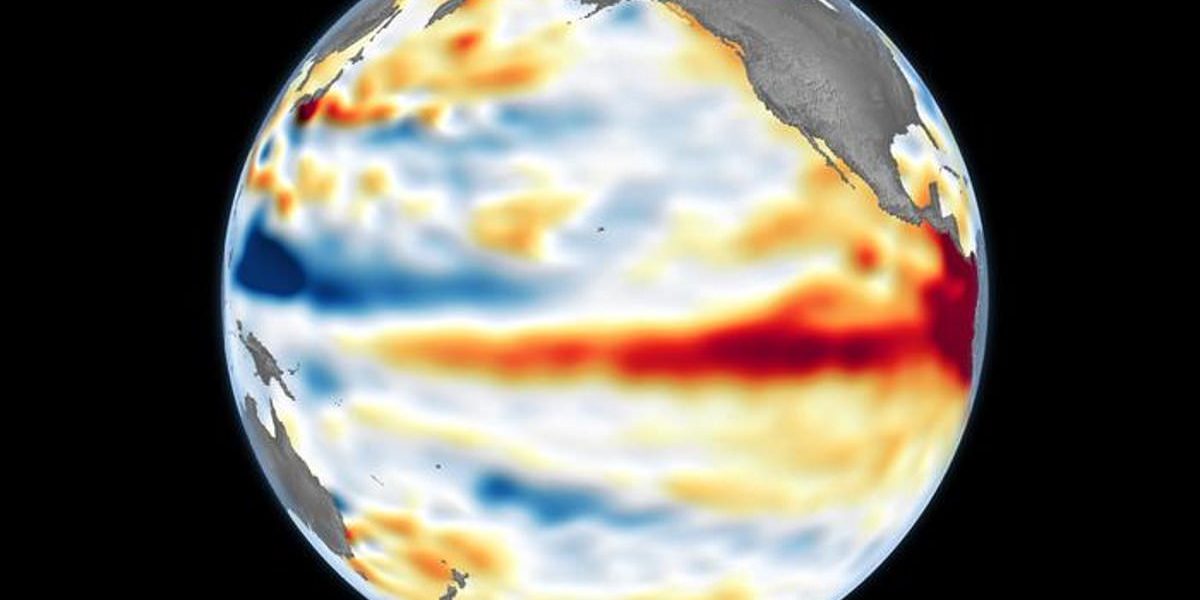
A team of scientists is proposing a radical solution to mitigate the effects of the current Super El Niño, which has brought record-breaking floods, extreme heat, and devastating wildfires to the globe.
Cloud-Brightening as a Climate Tool
Researchers led by **Dr. Chris Davies** at the **University of Manchester** are investigating a method of artificially brightening clouds to potentially prevent or reduce the severity of future Super El Niños. This technique, known as cloud brightening, involves injecting sea salt or other substances into clouds to make them more reflective, thereby blocking a portion of the sun’s radiation and reducing the amount of energy trapped in the atmosphere.
The Science Behind Cloud Brightening
Super El Niños occur when a natural climate cycle, the El Niño-Southern Oscillation (ENSO), goes into overdrive, resulting in severe droughts in some regions and extreme precipitation in others. Cloud brightening could potentially disrupt this cycle by injecting aerosols into clouds that form over the Pacific Ocean, which would then spread to the global atmosphere. These aerosols would scatter sunlight, cooling the planet and preventing the extreme weather conditions associated with a Super El Niño.
What this means
If successful, cloud brightening could provide a new tool for policymakers to mitigate the impacts of extreme climate events. However, experts warn that this method is still in its infancy and could have unintended consequences, such as disrupting local ecosystems or affecting regional weather patterns. Additionally, the feasibility and effectiveness of large-scale cloud brightening operations remain unclear, and further research is needed to fully understand the potential benefits and risks of this approach.
The proposal has sparked debate among climate scientists, with some hailing it as a potential game-changer and others expressing concerns about its efficacy and potential side effects. As the scientific community continues to explore this idea, it’s clear that the quest for innovative climate solutions is more pressing than ever.
El Niño’s Devastating Toll
The current Super El Niño, which began in June last year, has already had a devastating impact on global weather patterns. From scorching heatwaves in Australia to catastrophic floods in Peru, the consequences of this extreme climate event have been felt far and wide. As the world waits with bated breath for the next phase of this climate cycle, researchers are racing to find a solution to prevent or reduce the severity of future Super El Niños.